|
 |
 | | | | | | |||||||||||||||||||||||||||||||||||||||||||||||||||||||||||||||||||||||||||||||||||||||||||||||||||||||||||||||||||||||||||||||||||||||||
| | | You are in: Health | |||||||||||||||||||||||||||||||||||||||||||||||||||||||||||||||||||||||||||||||||||||||||||||||||||||||||||||||||||||||||||||||||||||||||||
|
| | Tuesday, 28 May, 2002, 06:56 GMT 07:56 UK 95-hour wait in casualty The woman was waiting to be discharged The hospital where a 90-year-old woman waited over 95 hours in casualty has said it was misrepresented in a shapshot survey of A&E waits. BBC News Online looks at the case. The 90-year-old woman who had the longest wait in an Association of Community Health Councils in England and Wales was in an A&E observation ward for over four days. She had fallen and had pains in her right hip was being cared for at the United Hospital Aintree, Liverpool. Doctors were planning to ensure she was mobile enough to be allowed to go home later that day.
She was waiting to be reviewed by the occupational therapy team. In the third case, a 94-year-old woman with hypoglycaemia, a low level of glucose in the blood, waited over 30 hours. Doctors planned to continue to monitor her. 'Inaccurate' A statement from the trust said all three cases had been wrongly classed as waiting for significant periods in A&E.
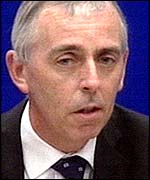
"The trust is very disappointed at the interpretation placed on the figures in this report. "It is not true to say the patients were in cordoned off areas. "The observation ward is a separately staffed ward providing privacy and appropriate care for patients admitted there." It said: "A&E consultant Mr Edward Kadzcombe confirms the three patients in question would have been specifically admitted to the observation ward as the most suitable place for their clinical needs regardless of the bed situation in the rest of the hospital which, over the period in question, was not under particular pressure." Trust chief executive James Birrell emphasised that the patients received planned and constructive care. He said: "They received clinically appropriate treatment. We explained this to the association, but they still decided to use the figures. "We are basically refuting their claims that we had long-waiting patients." The trust said it was normal practice for patients to be assessed and treated in the observation wards over a number of days. It said not all cases needed to be transferred to specialist wards and some could be allowed home after treatment in the observation ward, once the necessary arrangements had been made with health and social services in the community. Action The trust added many hospitals' observation units are not as close to A&E as its unit is, so to include waits from there in casualty wait figures was "misleading". But the trust said action was being taken to tackle the problems it has sometimes seen with patients experiencing long waits in A&E. It has expanded its Medical Assessment Unit, which assesses and treats medical emergency. An emergency nurse practitioner service has also been introduced to treat patients classified as 'minor emergencies'. In addition, two new consultant physicians in emergency have been appointed to try to build better links between casualty and medical wards. The trust said it supported the Community Health Council in highlighting patients' experiences of A&E. It said: "We are determined to ensure that improvements will be delivered." Trolley wait Other patients have said that they have had to endure long waits at the hospital. John Stewart was admitted to the hospital a month ago with chest pains. He told the BBC he was kept on a trolley in the A&E department for 16 hours before he was given a bed. "There was no room for me in the main hospital." Mr Stewart said 10-15 other patients - some wearing oxygen mask - were in a similar position while he was waiting for a bed. | | See also:  27 May 02 | Health 28 May 02 | Health 29 Mar 01 | Health 31 Jan 01 | Health 04 May 01 | Health 21 Apr 02 | Health Internet links: The BBC is not responsible for the content of external internet sites Top Health stories now: Links to more Health stories are at the foot of the page. | |||||||||||||||||||||||||||||||||||||||||||||||||||||||||||||||||||||||||||||||||||||||||||||||||||||||||||||||||||||||||||||||||||||||||
| |
|  E-mail this story to a friend E-mail this story to a friend |
| |
| Links to more Health stories |
| | | ||
 | ||||
 | | Back to top
| ||
| ---------------------------------------------------------------------------------- To BBC Sport>> | To BBC Weather>> | To BBC World Service>> ---------------------------------------------------------------------------------- © MMIII | News Sources | Privacy |