|
 |
 | | | | | | |||||||||||||||||||||||||||||||||||||||||||||||||||||||||||||||||||||||||||||||||||||||||||||||||||||||||||||||||||||||||||||||||||||||||
| | | You are in: Health | |||||||||||||||||||||||||||||||||||||||||||||||||||||||||||||||||||||||||||||||||||||||||||||||||||||||||||||||||||||||||||||||||||||||||||
|
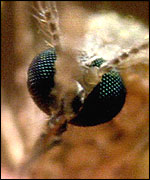
| | Childhood malaria in UK 'nearly triples' School children are bringing malaria back to the UK Doctors are warning of an increase in the number of British school children contracting malaria. They say cases are spiralling due to increased travel to tropical countries.
Experts there say many cases could have been prevented with anti-malarial medication. They are calling for better education of families, health care professionals, travel agents and airlines about the importance of taking anti-malarial drugs. 'Prophylaxis' Malaria, which is caught by a bite from an infected mosquito, kills more than a million people each year, most of them children. Symptoms include fever, muscle stiffness, shaking and sweating.
In the UK as a whole, about 300 children are diagnosed with imported malaria each year. The new figures, reported in The Archives of Disease in Childhood, point to a growing trend. By the end of the 1990s, there were about 14 cases a year at St Georges Hospital in Tooting, south west London, compared with only five in the 1970s. Most of the patients were UK residents but 22% were immigrants who had just arrived. Study co-author, Dr John Parker Williams, said many of the British residents with malaria had not been given any preventative treatment against the disease. He told BBC News Online: "If people are going to fly to areas where malaria exists, particularly in Africa, then they ought to take malarial prophylaxis." Mosquito measures Commenting on the research, Professor David Warhurst of the Public Health Laboratory Service (PHLS) Malaria Reference Laboratory said there were a number of sensible measures people could take. They include taking anti-malarial drugs, using mosquito repellent and avoiding exposure to mosquitoes, which tend to bite between dusk and dawn. Parents may also wrongly assume that children born in countries where malaria is present have natural immunity, Professor Warhurst added. "People lose their protection when they come here and they should make sure they take prophylaxis," he told BBC News Online. | | See also:  10 Jan 02 | Health 10 Jan 02 | Health 21 Jun 00 | Science/Nature 26 Jul 99 | Medical notes Internet links: The BBC is not responsible for the content of external internet sites Top Health stories now: Links to more Health stories are at the foot of the page. | |||||||||||||||||||||||||||||||||||||||||||||||||||||||||||||||||||||||||||||||||||||||||||||||||||||||||||||||||||||||||||||||||||||||||
| |
|  E-mail this story to a friend E-mail this story to a friend |
| |
| Links to more Health stories |
| | | ||
 | ||||
 | | Back to top
| ||
| ---------------------------------------------------------------------------------- To BBC Sport>> | To BBC Weather>> | To BBC World Service>> ---------------------------------------------------------------------------------- © MMIII | News Sources | Privacy |