|
 |
 | | | | | | |||||||||||||||||||||||||||||||||||||||||||||||||||||||||||||||||||||||||||||||||||||||||||||||||||||||||||||||||||||||||||||||||||||||||||||||||||||||||||||||||||||||||||||||||||||||||||||||||||||||||||||||||||||||||
| | | You are in: Europe | |||||||||||||||||||||||||||||||||||||||||||||||||||||||||||||||||||||||||||||||||||||||||||||||||||||||||||||||||||||||||||||||||||||||||||||||||||||||||||||||||||||||||||||||||||||||||||||||||||||||||||||||||||||||||||
|
| | Wednesday, 5 February, 2003, 14:58 GMT New state rises from Yugoslav ashes  Tito dominated the post-war state Officials in the new state of Serbia and Montenegro have begun recreating institutions following the demise of its predecessor, Yugoslavia.
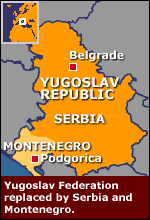
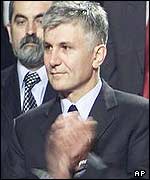
The name of the state reflects its new make-up - the federation's two remaining republics joined in a looser union. Yugoslavia lost its other four republics at the time of the bloody wars of independence in the 1990s, as Croatia, Slovenia, Bosnia-Hercegovina and Macedonia broke away. Under the new arrangement, Serbia and Montenegro have the right to vote for independence in three years' time. "This is a new beginning, but we should not be euphoric," said Serbian Prime Minister Zoran Djindjic after the vote. "This new country is based on a minimum of common interest between Serbia and Montenegro, and we should give it a chance." Nostalgia The BBC's Alix Kroeger in Belgrade said there was little sense of regret for the loss of Yugoslavia in its latter-day form.
The forerunner of Yugoslavia was founded after World War I as the Kingdom of Serbs, Croats and Slovenes, becoming Yugoslavia in 1929. The federal socialist state was born after World War II under the communist rule of Marshal Josip Tito. But as communism unravelled across Europe, Yugoslavia's republics began to break away. Montenegro had been moving towards independence when the European Union applied diplomatic pressure to stop it in its tracks. Compromise Correspondents say the EU-brokered deal has satisfied neither those who wanted to preserve the federation nor those who wanted the two republics to go their separate ways.
Under the new constitution, a small joint administration will be responsible for defence, foreign affairs, international economic relations and human rights. All other every-day matters will be run separately in the two capitals, Belgrade and Podgorica.
Belgrade will technically remain the federation's capital, although some joint functions will be based in Montenegro. Breathing space Both republics can hold referendums on full independence in three years.
He says that few expect the new union to last much more than three years, but that this will be a valuable breathing space in which the region will have become more stable. Although the new state will have a titular president, the last Yugoslav President, Vojislav Kostunica, has been seeking re-election as Serbian president. Serbia is by far the bigger partner in the new federation. Its population of 10 million dwarfs the 650,000 population of Montenegro. | |
See also:  05 Feb 03 | Media reports 04 Feb 03 | Europe 29 Jan 03 | Europe 25 Jan 03 | From Our Own Correspondent 15 Mar 02 | Europe 15 Mar 02 | Media reports 15 Mar 02 | Europe Internet links: The BBC is not responsible for the content of external internet sites Top Europe stories now: Links to more Europe stories are at the foot of the page. | |||||||||||||||||||||||||||||||||||||||||||||||||||||||||||||||||||||||||||||||||||||||||||||||||||||||||||||||||||||||||||||||||||||||||||||||||||||||||||||||||||||||||||||||||||||||||||||||||||||||||||||||||||||||||
 | |
|  E-mail this story to a friend E-mail this story to a friend |
| |
| Links to more Europe stories |
| | | ||
 | ||||
 | | Back to top
| ||
| ---------------------------------------------------------------------------------- To BBC Sport>> | To BBC Weather>> | To BBC World Service>> ---------------------------------------------------------------------------------- © MMIII | News Sources | Privacy |




 This new country is based on a minimum of common interest between Serbia and Montenegro, and we should give it a chance