|
 |
 | | | | | | |||||||||||||||||||||||||||||||||||||||||||||||||||||||||||||||||||||||||||||||||||||||||||||||||||||||||||||||||||||||||||||||||||||||||||||||||||||||||||||||||||||||||||||||||
| | | You are in: Europe | |||||||||||||||||||||||||||||||||||||||||||||||||||||||||||||||||||||||||||||||||||||||||||||||||||||||||||||||||||||||||||||||||||||||||||||||||||||||||||||||||||||||||||||||||||
|
| | Monday, 3 February, 2003, 18:05 GMT Bosnia wins war compensation battle  Bosnia wants Yugoslavia to pay for war damage Bosnia-Hercegovina has won a legal battle to seek compensation from Yugoslavia for genocide and economic damage inflicted on it during the 1992-95 war.
The Yugoslav Federation argues it was neither a member of the UN nor a party to the convention at the time. The BBC's Gabriel Partos says that - as a result of the ruling - Yugoslavia could become liable to pay enormous sums. It fears that the case will set a precedent for another case launched more recently by Croatia. But our correspondent says the ruling could also help Yugoslavia itself in its own case at the World Court against several Nato countries for their role in the 1999 bombing campaign. 'Irrelevant' defence The case is complex, because Yugoslavia was a UN member before it began breaking up in the 1990s.
Bosnia successfully argued that Yugoslavia's defence was irrelevant, and the court's panel of judges voted by 10 votes to three to reject the challenge. Oral hearings in the genocide case are expected to begin in late 2003. Bosnia is itself divided on the issue, with one of its two entities - the Bosnian Serb Republic - opposing the case and blocking the provision of state funding for the legal team. But the Muslim-Croat Federation seems intent on carrying on, and with the court's ruling the case seems likely to continue for several years. Reversal Bosnia first brought the case during the war in March 1993, in the hope of securing a court order to end all hostilities and ultimately an exemption from the arms embargo imposed on all six former Yugoslav republics.
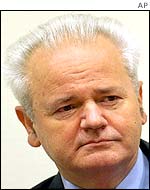
The second challenge came in 2001 after the fall of President Slobodan Milosevic. In the process, Yugoslavia's current leaders reversed Mr Milosevic's contention that the new Yugoslavia - consisting of just Serbia and Montenegro - was the sole legal successor to the old federation of six republics and enjoyed uninterrupted UN membership. The court agreed to consider Yugoslavia's counter-arguments - despite a previous ruling that both countries were bound by the Genocide Convention during the conflict, since both were part of the former Yugoslavia which signed it in 1948. | |
See also:  04 Nov 02 | Europe 15 Jul 02 | Europe 19 Jan 01 | Europe 22 Oct 00 | Europe 22 Oct 00 | Europe 19 Jan 01 | Europe Internet links: The BBC is not responsible for the content of external internet sites Top Europe stories now: Links to more Europe stories are at the foot of the page. | |||||||||||||||||||||||||||||||||||||||||||||||||||||||||||||||||||||||||||||||||||||||||||||||||||||||||||||||||||||||||||||||||||||||||||||||||||||||||||||||||||||||||||||||||
 | |
|  E-mail this story to a friend E-mail this story to a friend |
| |
| Links to more Europe stories |
| | | ||
 | ||||
 | | Back to top
| ||
| ---------------------------------------------------------------------------------- To BBC Sport>> | To BBC Weather>> | To BBC World Service>> ---------------------------------------------------------------------------------- © MMIII | News Sources | Privacy |




 The court finds that Yugoslavia's application for revision is inadmissible