|
 |
 | | | | | | |||||||||||||||||||||||||||||||||||||||||||||||||||||||||||||||||||||||||||||||||||||||||||||||||||||||||||||||||||||||||||||||||||||||||||||||||||||||||||||||||||||||||||
| | | You are in: Europe | |||||||||||||||||||||||||||||||||||||||||||||||||||||||||||||||||||||||||||||||||||||||||||||||||||||||||||||||||||||||||||||||||||||||||||||||||||||||||||||||||||||||||||||
|
| | Thursday, 16 January, 2003, 16:39 GMT Franco-German marriage seeks big idea  Alsace and Baden-Wuerttemberg have all but merged
France and Germany plan a spectacular joint session of their national parliaments in Versailles on 22 January, the 40th anniversary of the "Elysee Treaty" on Franco-German co-operation. Today's leaders want to show they are still in the driving seat of European integration, but not all is well in the French-German marriage. Some French and German people can see the funny side of it.
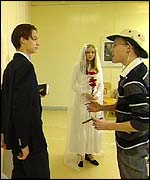
Seventeen-year-old Katie and her class are taking part in a skit on the "Franco-German couple." It opens with the "wedding day" in 1963: Marianne, the symbol of France, is marrying Michel, Germany's national cartoon character. The American, identified by his cowboy hat, loudly objects.
But Marianne grabs her German partner by the ear, to show that from the start France means to be on top in this political marriage. Nowadays, in reality, France and Germany are using their leadership in Europe to challenge American power in many areas. Katie is glad she is at this school, which has made her fluent in French, German and English. She wants to use her skills to go into an international job. But the treaty means little to her. "It's just a piece of paper. We don't really know what's in it," she says. Economic integration In Strasbourg in eastern France is another creation of the treaty - the bilingual French and German TV station, Arte. It's jointly funded by the two governments and the two nations' public broadcasting channels.
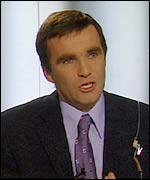
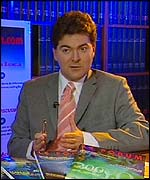
But even here doubts are being heard. Arte's news anchorman Vladimir Vasak, wants the French and German governments to take more account of the former communist states of eastern Europe which are soon to join the EU. His message to those leaders is: "Well done for the last 40 years. But for the future, be a bit more modest. Understand that you are not the only two leading countries in Europe. And open your arms to the newcomers in eastern Europe." Vladimir himself is French, but the son of refugees from Czechoslovakia in communist times.
The French city and the Alsace region have all but merged with Baden-Wuerttemberg on the German side of the Rhine river. Search for ideas Yet Marc Funk, working for the development office of the German border town of Kehl, says Germany's present economic malaise risks upsetting the partnership. He blames poor political leadership. "French firms have handled globalisation much more easily than German ones," he says. The main reason is the soaring costs of employing people in Germany.
In Paris, the Franco-German Forum is another champion of the "special relationship". It publishes a magazine and website promoting co-operation. But its co-president, Andreas Schwab, is worried. In spite of the leaders' claims of new political triumphs for the partnership, he says: "The Franco-German relationship is in search of ideas. At the start the main point was Franco-German reconciliation, and the European Union." "Now young people ask - what is the French-German relationship for? On the anniversary we do not want a party, or long speeches. "What we need is a new project, and we do not have one." William Horsley reported on the Franco-German relationship for Europe Direct, which can be seen on 16 January at 1730 GMT, on 18 January at 1630 GMT and 2330 GMT, and on 19 January at 0230 GMT and 1930 GMT. | | See also:  09 Jan 03 | Europe 15 Jan 03 | Europe 13 Jan 03 | Europe Internet links: The BBC is not responsible for the content of external internet sites Top Europe stories now: Links to more Europe stories are at the foot of the page. | |||||||||||||||||||||||||||||||||||||||||||||||||||||||||||||||||||||||||||||||||||||||||||||||||||||||||||||||||||||||||||||||||||||||||||||||||||||||||||||||||||||||||||
 | |
|  E-mail this story to a friend E-mail this story to a friend |
| |
| Links to more Europe stories |
| | | ||
 | ||||
 | | Back to top
| ||
| ---------------------------------------------------------------------------------- To BBC Sport>> | To BBC Weather>> | To BBC World Service>> ---------------------------------------------------------------------------------- © MMIII | News Sources | Privacy |






 Well done for the last 40 years - but for the future, be a bit more modest