|
 |
 | | | | | | |||||||||||||||||||||||||||||||||||||||||||||||||||||||||||||||||||||||||||||||||||||||||||||||||||||||||||||||||||||||||||||||||||||||||||||||||||||||||||||||||||||||
| | | You are in: Europe | |||||||||||||||||||||||||||||||||||||||||||||||||||||||||||||||||||||||||||||||||||||||||||||||||||||||||||||||||||||||||||||||||||||||||||||||||||||||||||||||||||||||||
|
| | Monday, 18 November, 2002, 02:26 GMT Buoyant skiers face bleak future 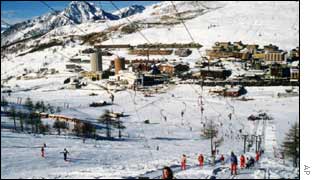 Global warming could have dire effect on ski resorts
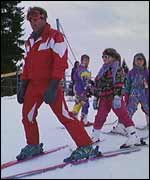
The snow sports industry is looking forward to a bumper season with one million British skiers and boarders expected to head to the mountains. Good early-season snowfalls in The Alps and North America and the prospect of a late Easter in 2003 have sparked a wave of optimism.
"The whole industry is very excited about reaching this landmark figures of one million British skiers and boarders but we must not be complacent," says Vanessa Haines from the Ski Club of Great Britain. "Unless the industry looks to the future and addresses the difficulties ahead then we could go into serious decline." Temperature rise Top of the list of problems is global warming. The bleakest warning predicts 90% of Alpine glaciers will have gone by the end of the 21st century. "Temperature rise is happening", Dr David Stephenson from Reading University told BBCi. "All the data points to this continuing with a dire effect on some ski resorts." The latest UN report says the snowline in the French and Swiss Alps will rise from 1200m to 1800m, so low level resorts will have no snow in a few decades. The industry must press for tighter pollution controls and invest in building high-level resorts and snow cannons. Declining school trips There has also been a sharp fall in the number of schoolchildren heading to the slopes. In the UK in the 1980s, about 500,000 schoolchildren went on school trips but now it is less than 100,000. The reason is two-fold. Firstly the government changed the law to stop term time trips and introduced tighter regulations. Secondly the rise in litigation put many schools off organising the holidays. "The schoolchildren of today are the skiers of tomorrow and there is a big problem developing," says Peter Hardy the co-editor of the Good Skiing and Snowboarding Guide. "We must do more to attract teenagers to the sport." Rise in injuries The industry is also worried about the number of injuries on the slopes. In the past 10 years the number of knee injuries has trebled due to a change in the way people ski and the development of highly rigid boots that force pressure on to the knee. "This year I have seen a great increase in knee injuries and people should be very concerned," says Jonathan Bell a consultant knee surgeon from Parkside hospital in London. "In the past, broken bones were the problem but now it is knees and this is far more serious." Manufacturers have yet to come up with a system of boots and bindings that adequately protect the knee. They stand accused by some of spending more on marketing and flashy paint jobs than research into the problem. The future But, whatever the problems, it is not all doom and gloom. This week in Tignes in France some are starting off their season. "It is great to be out here," says Sean McCarthy, a British instructor who is putting in some practice in the high-level French resort. "Sure we have problems but there will always be a demand for skiing." Iain Martin who runs Natives, one of the most popular skiing web sites, echoes this view. "Skiers and boarders love their sport and if the snow line rises then they will just have to go higher. The other problems are all solvable as long as we address them now." | | See also:  03 Sep 02 | Scotland 29 Oct 02 | Science/Nature 16 Aug 02 | Europe Internet links: The BBC is not responsible for the content of external internet sites Top Europe stories now: Links to more Europe stories are at the foot of the page. | |||||||||||||||||||||||||||||||||||||||||||||||||||||||||||||||||||||||||||||||||||||||||||||||||||||||||||||||||||||||||||||||||||||||||||||||||||||||||||||||||||||||
| |
|  E-mail this story to a friend E-mail this story to a friend |
| |
| Links to more Europe stories |
| | | ||
 | ||||
 | | Back to top
| ||
| ---------------------------------------------------------------------------------- To BBC Sport>> | To BBC Weather>> | To BBC World Service>> ---------------------------------------------------------------------------------- © MMIII | News Sources | Privacy |