|
 |
 | | | | | | ||||||||||||||||||||||||||||||||||||||||||||||||||||||||||||||||||||||||||||||||||||||||||||||||||||||||||||||||||||||||||||||||||||||||||||||||||||||||||||||||||||||||||||||||||||||||||
| | | You are in: Europe | ||||||||||||||||||||||||||||||||||||||||||||||||||||||||||||||||||||||||||||||||||||||||||||||||||||||||||||||||||||||||||||||||||||||||||||||||||||||||||||||||||||||||||||||||||||||||||||
|
| | Wednesday, 23 October, 2002, 19:25 GMT 20:25 UK Memories live on for Croatia's victims 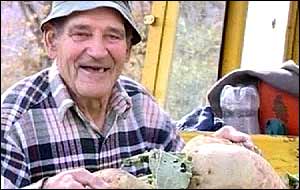 Villagers have vivid memories of the terror
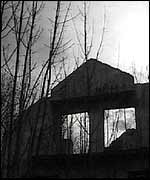
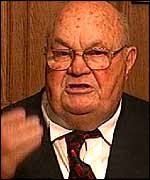
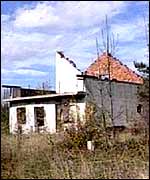
Djuro Pjevac is typical of people in the Balkans. As soon as we turned up at his home, unannounced, he drew up the chairs, brought out the plum brandy and insisted we raise a glass to each other. The 78-year-old Croatian-Serb doesn't have much to share. His home is a small room the size of a garden shed. Much of the rest of the house was destroyed nine years ago as Croat forces attacked the village of Citluk.
In Croatia they know it as the Medak Pocket operation, named after this small area in the south of the country. The Croatian army, keen to stop attacks from rebel Serbs living in the Medak Pocket during the war, pulverised the villages around Mr Pjevac's home. In just two days they had cleared the area. A week later, under a United Nations deal, the Croats withdrew. But not before they had destroyed much in their path.
Now prosecutors in the Hague want to see the man who led the army - General Janko Bobetko - in court. General Bobetko is not planning on complying.
It has left the Croatian Government in its biggest diplomatic quandary for sometime. The pro-western politicians in Zagreb are normally co-operative with The Hague. Not now. Nationalist backlash The official reason for their refusal to extradite the general is that the indictment is unconstitutional. The government has appealed against it. "To do anything now would be disrespectful of the tribunal itself because we have initiated legal proceedings. We just have to wait," insists Orsat Miljenic from the government. But some feel politicians - already unpopular over a number of other issues - are not willing to risk the nationalist backlash that would inevitably follow any extradition.
"The goal was to get rid of the enemy, so they wouldn't kill innocent people. Nobody should surrender to The Hague tribunal because the indictment is completely wrong. It's a political indictment against the whole Croat nation," he said. Despite such sentiments, the international community is surprised at Croatia's reaction. One source told me no western government approved of Zagreb's actions. But there were differing opinions as to what the response should be. The British Government has already suspended ratification of an agreement with Croatia which would have helped the country move closer to joining the European Union. And Carla del Ponte, the chief prosecutor in The Hague, is demanding that Croatia complies with the court. The Bobetko case is gripping Zagreb. National newspapers have printed posters of the retired chief of staff. Sales of his auto-biography, on which The Hague is thought to have based at least part of the indictment against him, have rocketed. When the indictment against General Bobetko was first announced, the vast majority of the population appeared to back the government's stance.
Surveys now show while a majority still support the general, some are starting to argue he should go to The Hague to defend himself and his country. On the streets of Zagreb, one man told me General Bobetko should not be sent to The Hague. "He was very important to Croatia and he shouldn't be extradited," he said. But the next person I met, a woman, said: "If there have been no crimes committed he needs to prove it."
"In 1991 we felt we had a right to be nationalist because Croatia was attacked. Croatia was supported by the international community," says Zarko Puhovski, from the Helsinki Committee for Human Rights in Croatia. "Suddenly we do not enjoy the sympathies of the international community. For many people this is a shock." Croatia then is stuck between a population finding it difficult to confront the past, and an international obligation to fulfil. This crisis has wide-reaching effects. If Croatia is seen to get away with failing to honour its obligations, other countries will feel more justified in refusing to co-operate with The Hague. None of this means much for Djuro Pjevac though. There is not a single morning he says when he does not wake up and cry over what happened in the Medak Pocket. | |
See also:  21 Oct 02 | Europe 27 Sep 02 | Europe 23 Sep 02 | Europe 21 May 02 | Europe Internet links: The BBC is not responsible for the content of external internet sites Top Europe stories now: Links to more Europe stories are at the foot of the page. | ||||||||||||||||||||||||||||||||||||||||||||||||||||||||||||||||||||||||||||||||||||||||||||||||||||||||||||||||||||||||||||||||||||||||||||||||||||||||||||||||||||||||||||||||||||||||||
| |
|  E-mail this story to a friend E-mail this story to a friend |
| |
| Links to more Europe stories |
| | | ||
 | ||||
 | | Back to top
| ||
| ---------------------------------------------------------------------------------- To BBC Sport>> | To BBC Weather>> | To BBC World Service>> ---------------------------------------------------------------------------------- © MMIII | News Sources | Privacy |