|
 |
 | | | | | | |||||||||||||||||||||||||||||||||||||||||||||||||||||||||||||||||||||||||||||||||||||||||||||||||||||||||||||||||||||||||||||||||||||||||||||||||||||||||||||||||||||||||
| | | You are in: Europe | |||||||||||||||||||||||||||||||||||||||||||||||||||||||||||||||||||||||||||||||||||||||||||||||||||||||||||||||||||||||||||||||||||||||||||||||||||||||||||||||||||||||||||
|
| | Saturday, 14 September, 2002, 13:30 GMT 14:30 UK Analysis: Sweden's knife-edge vote 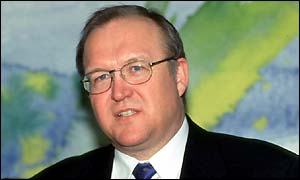 Goran Persson has been prime minister since 1996
It wasn't supposed to be like this. A couple of months ago everyone was expecting Sweden's governing Social Democrats to cruise to yet another election victory. But opinion polls ahead of Sunday's general election suggest the vote is now too close to call. The Social Democrats have been in power for all but nine of the last 70 years, why should anything be different this time? The economy has been growing faster than most of the rest of western Europe, and unemployment is low. But many Swedes seem restless, dissatisfied even.
And that may be the biggest weapon that opposition parties have. They may not agree on everything, but they do offer an alternative. One party wants radical tax cuts. Another, the Liberals, has made dramatic gains in the opinion polls by tackling a taboo subject. After putting immigration and the integration of foreigners on the election agenda, their support has nearly trebled.
The Social Democrats, on the other hand, offer little that is new. Only more of the same. Sweden has some of the highest taxes and the most comprehensive welfare benefits in the world, and the government has set itself up as the defender of the "Swedish model". "Welfare is not about how much money you have in your savings account, but about someone taking care of you when you are weak", the Prime Minister Goran Persson says on the campaign trail. Turn-out crucial "But welfare is not free. You have to pay for it, and that is why we say no to the tax cuts". That argument still appeals to many Swedes, and there's no doubt that the Social Democrats will remain the largest party in parliament. But the combined opposition are snapping at their heels, hammering home the message that public schools and hospitals are in a mess. Turn-out in the election could be crucial. The Social Democrats are worried that some of their natural supporters may not bother to vote. If that were to happen, the centre-right could spring a big surprise. While the rest of Europe has been turning to the right, Sweden was expected to buck the trend, and stick with its high-tax, high-welfare system. Now the only confident prediction is that this election will be very close indeed. | | See also:  13 Sep 02 | Europe 06 Sep 02 | Europe Internet links: The BBC is not responsible for the content of external internet sites Top Europe stories now: Links to more Europe stories are at the foot of the page. | |||||||||||||||||||||||||||||||||||||||||||||||||||||||||||||||||||||||||||||||||||||||||||||||||||||||||||||||||||||||||||||||||||||||||||||||||||||||||||||||||||||||||
| |
|  E-mail this story to a friend E-mail this story to a friend |
| |
| Links to more Europe stories |
| | | ||
 | ||||
 | | Back to top
| ||
| ---------------------------------------------------------------------------------- To BBC Sport>> | To BBC Weather>> | To BBC World Service>> ---------------------------------------------------------------------------------- © MMIII | News Sources | Privacy |