|
 |
 | | | | | | |||||||||||||||||||||||||||||||||||||||||||||||||||||||||||||||||||||||||||||||||||||||||||||||||||||||||||||||||||||||||||||||||||||||||||||||||||||||||||||||||||||||||||||||||||||||||||||||||||||||||
| | | You are in: Europe | |||||||||||||||||||||||||||||||||||||||||||||||||||||||||||||||||||||||||||||||||||||||||||||||||||||||||||||||||||||||||||||||||||||||||||||||||||||||||||||||||||||||||||||||||||||||||||||||||||||||||||
|
| | Monday, 15 July, 2002, 17:14 GMT 18:14 UK Analysis: Balkans summit furthers reconciliation 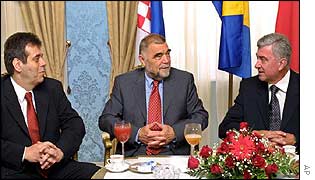 The summit is a sign of heightened co-operation
The presidents of Bosnia, Croatia and Yugoslavia have been holding their first summit as heads of independent states. The last time the heads of state all met was in Paris, in December, 1995, at the signing of the peace agreement which ended the fighting in Bosnia. That year, the venue for today's meeting - the Bosnian capital Sarajevo - had been under siege and faced daily shelling.
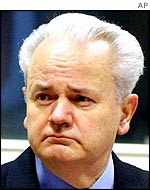
The three nationalist strongmen: Serbia's Slobodan Milosevic, Croatia's Franjo Tudjman and Bosnia's Alija Izetbegovic had led their countries into war and had to be forced to compromise by the international community for the sake of peace. Six and a half years later and all three have moved on. Milosevic is on trial in The Hague, Tudjman is dead and Izetbegovic is in grumpy retirement. Political veterans In their place are leaders who largely accept the need for their countries to work together to improve their dire economic situation and work towards a brighter future.
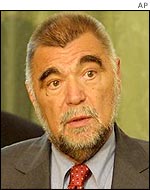
Yugoslavia's president, Vojislav Kostunica, is a Serb nationalist but he is not part of the generation of politicians who directed the wars of the 1990s. In fact this summit shows how a previous generation is reasserting itself. Croatia's president, Stipe Mesic, was the last president of Yugoslavia before it began to break up and the three members of the joint Bosnian presidency all belong to the pre-war political era. Marginalised for a decade, their brand of moderate social democracy is once again in fashion. There are plenty of wartime issues still to be resolved between the three countries - most importantly the fate of around one and a half million refugees and displaced persons. But in other areas normal politics is taking root. The six republics of the old Yugoslavia have agreed to divide up the assets and liabilities of the old country and now they are taking co-operation even further. Economic needs The motor driving all this is economics. Before 1991 these countries were part of a single market of 22 million people. Since then borders and bureaucracy have cut off those markets and pushed even those firms which survived the wars towards bankruptcy. The surviving companies need new investment and state-owned enterprises have to be restructured. Money for all this can only come from outside and in particular the European Union. None of the three countries have yet made formal applications to join the EU, but they have all made it clear that they want to do so in the future. Croatia is a possible candidate for the second wave, along with Romania and Bulgaria, but Serbia and Bosnia are expected to greatly reform their laws and economy before they are be invited in. They all want to shed the tag of being a Balkan country and instead stress their position in south-east Europe, a place where peace flourishes and economic prospects are bright. Lingering suspicions The importance of this summit is largely symbolic.
The politicians attending it are all heads of state, removed from the real day-to-day politics of their countries. Their opinions are indicators of attitudes, but they won't determine what happens back home in national parliaments. On the streets of their capitals and beyond there is still much bad feeling against neighbouring countries and lingering resentment over the wars of the early 1990s. But at the same time there are also practical steps being taken towards reconstruction and reconciliation. Last month commercial flights resumed between Sarajevo and Belgrade for the first time in 10 years. Plenty more remains to be done, but some small steps are now being taken to restore the links which were so viciously broken a decade ago. | |
See also:  15 Jul 02 | Europe 13 Jul 02 | Europe 23 Apr 02 | Europe 19 Jun 02 | Europe 06 Apr 02 | Europe 01 Mar 02 | Europe 12 Mar 02 | Europe Internet links: The BBC is not responsible for the content of external internet sites Top Europe stories now: Links to more Europe stories are at the foot of the page. | |||||||||||||||||||||||||||||||||||||||||||||||||||||||||||||||||||||||||||||||||||||||||||||||||||||||||||||||||||||||||||||||||||||||||||||||||||||||||||||||||||||||||||||||||||||||||||||||||||||||||
| |
|  E-mail this story to a friend E-mail this story to a friend |
| |
| Links to more Europe stories |
| | | ||
 | ||||
 | | Back to top
| ||
| ---------------------------------------------------------------------------------- To BBC Sport>> | To BBC Weather>> | To BBC World Service>> ---------------------------------------------------------------------------------- © MMIII | News Sources | Privacy |