|
 |
 | | | | | | |||||||||||||||||||||||||||||||||||||||||||||||||||||||||||||||||||||||||||||||||||||||||||||||||||||||||||||||||||||||||||||||||||||||||||||||||||||||||||||||||||
| | | You are in: Europe | |||||||||||||||||||||||||||||||||||||||||||||||||||||||||||||||||||||||||||||||||||||||||||||||||||||||||||||||||||||||||||||||||||||||||||||||||||||||||||||||||||||
|
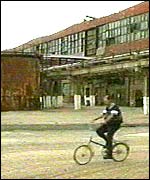
| | Monday, 24 June, 2002, 15:13 GMT 16:13 UK 'Mercury threat' to Siberian residents The closed factory remains dangerous Mercury from a polluted industrial site in Siberia is posing a serious threat to public health and the environment, say campaigners. More than 1,500 tonnes of metallic mercury from the former Ussolsky plant in the Baikal region have seeped into soil and local rivers, they say. But clean-up efforts are moving so slowly that they will take 1,000 years to complete at the current rate of progress, said Greenpeace's Baikal co-ordinator Roman Pukalov.
The 400,000-strong population of the nearby town of Usolye-Sibirskoye are in the greatest danger, he said. "The pollution affects the nervous system, and is a problem for pregnant women and newborn babies," said Mr Pukalov.
Other technology is now used at the factory. But campaigners say the damage has already been done. 'Mercury in bodies' Pike and other fish in the local River Angara have absorbed high levels of the toxic mercury, but some local residents continue to eat them. A fish factory downstream from the plant which was closed is now operating again. Mercury has even been found in the bodies of residents of Konovalovo, a village downstream of the plant, Russia's NTV television station has reported. People complain of headaches, respiratory and intestinal diseases and hand tremors, and doctors are said to be growing increasingly concerned.
"It is very worrying," said Virginia Murray, consultant at Guy's and St Thomas' Hospital Trust and director of the UK's Chemical Incident Response Service. "In the long-term you can die from mercury poisoning, and the levels being talks about here, if confirmed, would be very high." Mercury exposure damages the central nervous system and kidneys, creating a hosting of "non-specific symptoms" - like personality changes, hallucinations, sleep difficulties, irritability, headaches and memory loss - which can make it difficult to diagnose early on.
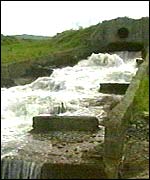
Inhalation or eating poisoned food are the key sources of human poisoning, and both risks are believed to be present in the Siberia alert. "It has been four years since the mercury section was closed, but traces of mercury are still discovered in the air," ecologist Lyubov Malyshevskaya told NTV. She said some levels measured at the site had decreased slightly, but mercury was still being found in rainwater flowing into the Angara. Workers at the plant are thought to be particularly at risk, from repeated exposure to the contaminated site. The Russian Government has demanded a clean-up, but the regional Irkutsk authorities have failed to provide enough funding for the work to be speeded up, says Greenpeace. The region's huge freshwater Lake Baikal is not thought to be in danger. Japan poisoning At least one other Siberian plant, at Zima, and four elsewhere in Russia are still using the mercury-based technology to produce caustic soda, according to Greenpeace. One of the world's worst cases of mercury poisoning happened at Minimata Bay in Japan in 1952, also when effluent from a factory reached local waterways. Nearly 70 people died, and hundreds of others were affected. Most were poisoned by eating contaminated fish. A leak on the scale of the Siberian contamination would be treated as a major incident in the UK, Dr Murray confirmed. Even disposal of metallic mercury from a single broken thermometer is treated as an extremely hazardous situation in the UK, with strict guidelines issued on how to dispose of the metal safely. | | See also:  26 Mar 02 | Media reports 27 Apr 01 | Europe 10 May 02 | Health Internet links: The BBC is not responsible for the content of external internet sites Top Europe stories now: Links to more Europe stories are at the foot of the page. | |||||||||||||||||||||||||||||||||||||||||||||||||||||||||||||||||||||||||||||||||||||||||||||||||||||||||||||||||||||||||||||||||||||||||||||||||||||||||||||||||||
| |
|  E-mail this story to a friend E-mail this story to a friend |
| |
| Links to more Europe stories |
| | | ||
 | ||||
 | | Back to top
| ||
| ---------------------------------------------------------------------------------- To BBC Sport>> | To BBC Weather>> | To BBC World Service>> ---------------------------------------------------------------------------------- © MMIII | News Sources | Privacy |