|
 |
 | | | | | | |||||||||||||||||||||||||||||||||||||||||||||||||||||||||||||||||||||||||||||||||||||||||||||||||||||||||||||||||||||||||||||||||||||||||||||||||||||||||||||||||||||||||||||||||||||||||||||||||||||||||||||||||||
| | | You are in: Europe | |||||||||||||||||||||||||||||||||||||||||||||||||||||||||||||||||||||||||||||||||||||||||||||||||||||||||||||||||||||||||||||||||||||||||||||||||||||||||||||||||||||||||||||||||||||||||||||||||||||||||||||||||||||
|
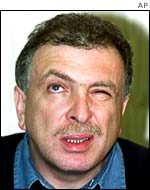
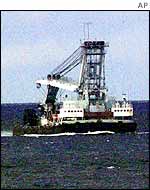
| | Wednesday, 19 June, 2002, 17:53 GMT 18:53 UK Torpedo blamed for Kursk disaster The Kursk was one of Russia's most sophisticated submarines As Russia prepares to issue its final verdict on what caused the Kursk to sink nearly two years ago, a top official has blamed a faulty torpedo on board the nuclear submarine. Ilya Klebanov, heading the inquiry, acknowledged that the submarine had not collided with a foreign vessel or with a stray mine, as Russian officials suggested shortly after the disaster in August 2000.
Russia and Nato agreed on Wednesday to begin work on an international sea-rescue service as a direct result of the Kursk disaster, in which all 118 men on board were killed. A preliminary report by the Russian Navy had already concluded that the submarine sank when one or more of its own torpedoes exploded, but Mr Klebanov's statement brings the government nearer to a final announcement. "The commission has discounted a collision and a mine," the trade, science and technology minister said. "There remains only one version - a torpedo blast." Mr Klebanov said the commission on the Kursk would probably only meet once more and a final verdict is due on 29 June. Questions remain The minister did not however give any indication of what might have caused the torpedo - a standard Russian weapon fuelled by hydrogen peroxide - to explode, detonating other weapons on board. It also remains unclear whether the blast occurred during an operation to lift the torpedo into its firing chamber, or whether it was lying still. Peroxide fuel has been a staple of the Russian Navy in the post Soviet-era because it is so cheap, but other countries have abandoned its use because it is thought too unstable. Britain returned to other fuels after an accident on board HMS Sidon in 1955, when the craft was using peroxide fuel. Thirteen sailors died in the incident. The Russian Navy ordered peroxide-fuelled torpedoes to be removed from service after the Kursk disaster. Joint rescue work Russian and Nato admirals ended two days of talks in St Petersburg by signing a protocol on setting up an international sea-rescue service.
Experts are due to draft a programme of co-operation on submarine rescue by the end of the year. "The tragedy of the Kursk nuclear submarine was at the centre of our discussions," said Russian Admiral Anatoly Komaritsyn. US Vice Admiral Malcolm Fages said the St Petersburg initiative followed on from the creation of the Nato-Russia Council in May. "At the Rome summit last month, the heads of state and government from Nato and from Russia mentioned specifically a desire to see closer co-operation in the field of... search and rescue," he said. | |
See also:  30 May 02 | Europe 23 Mar 02 | Europe 18 Feb 02 | Europe 26 Apr 02 | Europe Internet links: The BBC is not responsible for the content of external internet sites Top Europe stories now: Links to more Europe stories are at the foot of the page. | |||||||||||||||||||||||||||||||||||||||||||||||||||||||||||||||||||||||||||||||||||||||||||||||||||||||||||||||||||||||||||||||||||||||||||||||||||||||||||||||||||||||||||||||||||||||||||||||||||||||||||||||||||
| |
|  E-mail this story to a friend E-mail this story to a friend |
| |
| Links to more Europe stories |
| | | ||
 | ||||
 | | Back to top
| ||
| ---------------------------------------------------------------------------------- To BBC Sport>> | To BBC Weather>> | To BBC World Service>> ---------------------------------------------------------------------------------- © MMIII | News Sources | Privacy |