|
 |
 | | | | | | |||||||||||||||||||||||||||||||||||||||||||||||||||||||||||||||||||||||||||||||||||||||||||||||||||||||||||||||||||||||||||||||||||||||||||||||||||||||||||||||||||||||||||||||||||||||||||||||||
| | | You are in: Europe | |||||||||||||||||||||||||||||||||||||||||||||||||||||||||||||||||||||||||||||||||||||||||||||||||||||||||||||||||||||||||||||||||||||||||||||||||||||||||||||||||||||||||||||||||||||||||||||||||||
|
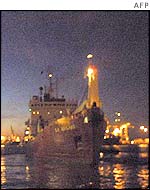
| | Sunday, 16 June, 2002, 21:50 GMT 22:50 UK Antarctic rescue mission begins The ship is trapped in frozen seas A South African ship has set out for the Antarctic to rescue more than 100 crew and passengers, including 79 Russian scientists, on board a German ship trapped in pack-ice.
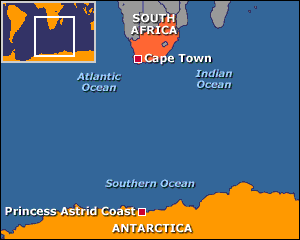
The officials said the rescuers have taken two air force helicopters with them to supply fuel and food to the trapped ship. Click here for a map of the area The rescue ship has a Russian expert specialising on polar navigation - known as an "ice-pilot" - and will be aided by an Argentine ice-breaker, the Almirante Irizar, which is set to depart from Buenos Aires soon.
"This will be a first for us to go down south this time of the year and a major concern for us is also in the limited daylight hours," Henry Valentine, director of the South African Government's Antarctic programme, told the BBC. "They have food for another two weeks, fuel for another 45 days so there is no immediate danger to them, but you can understand morale is pretty low on the ship right now." 'Heroic mission' The rescuers said they were setting sail before worsening weather in the Antarctic winter could make their mission impossible.
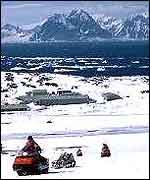
"The conditions are terrible. This time of year it's dark for 24 hours, the temperatures is -50C, and there are very high winds with lots of ice flying around," said South African Defence Force spokesman Colonel Piet Paxton. The Magdalena Oldendorff was making its way up to Cape Town after spending more than 12 months in Antarctica at the two Russian research stations. They encountered thick ice and had to turn back. They are now sheltering in a fjord waiting for the chance to try and break through around 1,000 kilometres of ice. The scientists are said to be in good health, but low in spirits and suffering from the cold. The Almirante Irizar may be able to force its way through the ice and create a passage to allow the Russians out. But if the vessel cannot be freed quickly, a major rescue operation may have to be launched. | |
See also:  14 Jun 02 | Europe 13 Jun 02 | Science/Nature 19 Mar 02 | Science/Nature 26 Dec 01 | Science/Nature 04 Jan 02 | Science/Nature 17 Apr 00 | Science/Nature Internet links: The BBC is not responsible for the content of external internet sites Top Europe stories now: Links to more Europe stories are at the foot of the page. | |||||||||||||||||||||||||||||||||||||||||||||||||||||||||||||||||||||||||||||||||||||||||||||||||||||||||||||||||||||||||||||||||||||||||||||||||||||||||||||||||||||||||||||||||||||||||||||||||
| |
|  E-mail this story to a friend E-mail this story to a friend |
| |
| Links to more Europe stories |
| | | ||
 | ||||
 | | Back to top
| ||
| ---------------------------------------------------------------------------------- To BBC Sport>> | To BBC Weather>> | To BBC World Service>> ---------------------------------------------------------------------------------- © MMIII | News Sources | Privacy |