|
 |
 | | | | | | ||||||||||||||||||||||||||||||||||||||||||||||||||||||||||||||||||||||||||||||||||||||||||||||||||||||||||||||||||||||||||||||||||||||||||||||||||||||||||||||||||||||||
| | | You are in: Europe | ||||||||||||||||||||||||||||||||||||||||||||||||||||||||||||||||||||||||||||||||||||||||||||||||||||||||||||||||||||||||||||||||||||||||||||||||||||||||||||||||||||||||||
|
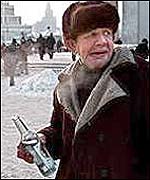
| | Saturday, 15 June, 2002, 12:30 GMT 13:30 UK Russia launches population census Some of the places marked on the map may no longer exist
Russia has begun the first census of its population since 1989.
The census is expected to provide valuable information for Russia's Government, in a country where the population has declined rapidly since the Soviet era. However, there are worries that despite a guarantee of anonymity, many people will not reveal details such as their jobs to the census-takers. Many Russians fear the information could be passed on to the tax authorities. Daunting task The sheer practical difficulties of this task are breathtaking.
The Russian authorities want to collect detailed information on a population of up to 145 million in a country so big that it spans 11 time zones. Some northern and Far Eastern regions are inaccessible by road or even plane for most of the year, which is why some census-takers have started early, before the winter sets in. Nobody knows what sort of reception they will receive - but few expect it to be a warm welcome. Most Russians are deeply suspicious about giving sensitive information to their government - especially about their finances. Many who tell the taxman they have no regular income are working for cash in Russia's grey economy, and may be equally wary of telling those conducting this census the truth. 'Political dynamite' Fears about growing crime could also discourage some from opening their doors to strangers. Nonetheless, the census-takers are expected to visit every home, from the mansions of Russian's new elite to the slums of major cities. The results are sure to be fascinating and could prove political dynamite. Russia's population has been in steep decline since the collapse of communism, partly due to increasing health and social problems such as alcoholism, as well as a much lower birthrate. Census-takers may also find that some of the villages marked on their maps no longer exist. In the remote regions of the Arctic and the Far East, life has simply proved too harsh for their former inhabitants without Soviet era subsidies. | | See also:  15 Apr 02 | Europe 08 Mar 01 | Europe 03 Nov 00 | Europe 24 Oct 00 | Europe 30 Jun 00 | Europe 11 Jan 01 | Europe 18 Mar 02 | Europe 03 Aug 01 | Europe 26 Nov 98 | Health Internet links: The BBC is not responsible for the content of external internet sites Top Europe stories now: Links to more Europe stories are at the foot of the page. | ||||||||||||||||||||||||||||||||||||||||||||||||||||||||||||||||||||||||||||||||||||||||||||||||||||||||||||||||||||||||||||||||||||||||||||||||||||||||||||||||||||||||
| |
|  E-mail this story to a friend E-mail this story to a friend |
| |
| Links to more Europe stories |
| | | ||
 | ||||
 | | Back to top
| ||
| ---------------------------------------------------------------------------------- To BBC Sport>> | To BBC Weather>> | To BBC World Service>> ---------------------------------------------------------------------------------- © MMIII | News Sources | Privacy |