|
 |
 | | | | | | ||||||||||||||||||||||||||||||||||||||||||||||||||||||||||||||||||||||||||||||||||||||||||||||||||||||||||||||||||||||||||||||||||||||||||||||||
| | | You are in: Entertainment | ||||||||||||||||||||||||||||||||||||||||||||||||||||||||||||||||||||||||||||||||||||||||||||||||||||||||||||||||||||||||||||||||||||||||||||||||||
|
| | Saturday, 1 February, 2003, 01:55 GMT Surrealist's treasures spark row
But after years trying to persuade the French Government to turn the flat into a permanent museum to Surrealism, Breton's family has given up the struggle and is putting the contents on the market. The Paris intellectual set - which worships Breton's memory - is furious. "Slumber in peace, good folk!" reads the petition on an internet site created by a committee of academics and writers. "In France no-one will put forward a penny for a museum to Andre Breton... All we can do is express our disgust, our revolt and our deep pain." Messages of support posted from around the world are even stronger. "In the US we are accustomed to such barbarities, but we maintain the illusion that other countries - especially France! - take pride in their cultural achievements," says one indignant American.
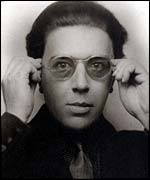
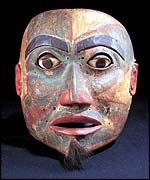
Breton's apartment in the capital's Pigalle district - where he lived for 40 years - is revered by his fans as a work of art in its own right. A vast library of books - including signed works by the likes of Trotsky and Freud - is interspersed with pictures by Surrealist masters Joan Miro, Rene Magritte and Yves Tanguy. An archive of photographs is regarded by experts as the most valuable single record of the history of the Surrealist movement. In addition there are the hundreds of random objects that reflect the eclecticism of Breton's mind: masks from the Pacific islands, for example, baptismal fonts and a bell-jar of stuffed humming-birds. These are the so-called "objets trouves" - found objects - whose sheer haphazardness had an essential value for the Surrealists. There are also several mementos of the classic Surrealist technique known as "Cadavres Exquis" - or Exquisite Cadavers.
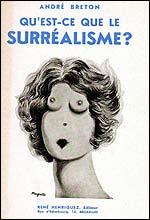
Gathered in Breton's flat, the Surrealists applied the method to the field of art and created some unusual juxtapositions. Breton was born in Normandy in 1896. After embarking on a career as a poet, he served in World War I and afterwards studied psychoanalysis. The turning point in his life was in 1924 when he wrote the Surrealist Manifesto, in which he set out his central theme of the pre-eminence of the irrational and the automatic over logic and reason. Though he joined the Communist party and in 1938 collaborated with Trotsky for a tract on revolutionary art, he refused to toe any political line for long. Nonetheless he was a strict disciplinarian in his own movement, earning the nickname The Pope of Surrealism. The five-day auction of Breton's belongings is organised in April by auction house CalmelsCohen. The 5,500 lots are expected to bring in between 30 and 40 million euros, and unless the French government steps in with an export ban, much of the material will almost certainly be dispersed abroad. | | See also:  31 Jan 03 | Entertainment 25 Nov 02 | Entertainment Internet links: The BBC is not responsible for the content of external internet sites Top Entertainment stories now: Links to more Entertainment stories are at the foot of the page. | ||||||||||||||||||||||||||||||||||||||||||||||||||||||||||||||||||||||||||||||||||||||||||||||||||||||||||||||||||||||||||||||||||||||||||||||||
 | |
|  E-mail this story to a friend E-mail this story to a friend |
| |
| Links to more Entertainment stories |
| | | ||
 | ||||
 | | Back to top
| ||
| ---------------------------------------------------------------------------------- To BBC Sport>> | To BBC Weather>> | To BBC World Service>> ---------------------------------------------------------------------------------- © MMIII | News Sources | Privacy |