|
 |
 | | | | | | |||||||||||||||||||||||||||||||||||||||||||||||||||||||||||||||||||||||||||||||||||||||||||||||||||||||||||||||||||||||||||||||||||||||||||||||||||
| | | You are in: Entertainment | |||||||||||||||||||||||||||||||||||||||||||||||||||||||||||||||||||||||||||||||||||||||||||||||||||||||||||||||||||||||||||||||||||||||||||||||||||||
|
| | Thursday, 19 December, 2002, 09:52 GMT How the pirates changed music  Half the original BBC Radio 1 DJs were former pirates
But the music scene would be very different if pirate stations did not exist. On the face of it, veteran radio disc spinners Tony Blackburn and Dave Lee Travis, who became household names on BBC Radio 1 in the 1960s and 70s, have little in common with urban music bad boys So Solid Crew.
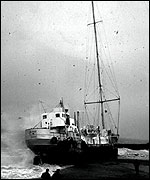
As were So Solid Crew, who were among the first superstars to emerge from the UK garage scene, the most ground-breaking home-grown scene since punk. The connection is that they all made their names on pirate radio stations - which broadcast illegally, but fill the gaps that out-of-touch legal stations ignore. When Blackburn and Travis joined Radio Caroline in 1964, the station had been on the air for several months and was playing a range of music that did not get on the only legal music station which played any kind of pop music, the BBC Light Programme - the forerunner of Radio 2. Over the next two years, as the style became more professional, the DJs became more daring and the music became more plugged into national tastes and Radio Caroline was attracting eight million listeners.
While the pirate stations picked the best songs they could find, when it came to songs from the United States, the BBC preferred to play British cover versions. So when the pirates played You've Got that Lovin' Feeling by the US group the Righteous Brothers, the BBC played Liverpudlian singer Cilla Black's version, which was released on the same day in 1965. Pirates' power The power of the pirates was demonstrated when the Righteous Brothers went to number one and Cilla trailed at number two. And when a young Welsh singer called Tom Jones arrived on the scene, his first single, It's Not Unusual was considered "too hot for the BBC" - but not for Radio Caroline, which sent it to number one.
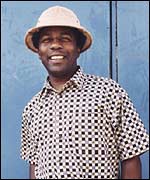
In 1967, a law was passed that banned the offshore stations and paved the way for the BBC to snatch their best DJs for its new Radio 1, which aimed to capture the style and audiences of the pirates. As well as Blackburn and Travis, Radio 1 also enlisted former pirates John Peel, Kenny Everett and Ed Stewart. The station went on to dominate the pop music scene and the DJs became among the biggest entertainers in the country. Pirate radio carried on in the 1970s, with new reggae and soul stations, and the 1980s saw more boundaries being broken when underground broadcasters moved to fill the gaps not filled by the mainstream. Inner city stars In 1985, Kiss FM became the most famous pirate station since Radio Caroline, latching onto the growing craze for house and hip-hop. One of its leading lights was DJ Norman Jay - recently made an MBE - and in 1990 it won a legitimate licence to broadcast in London.
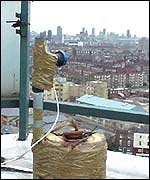
A new soundtrack to inner city life, jungle music, gave the pirate radio scene a renewed lease of life, which led to the UK garage boom of the late 90s. Among the stars of the garage airwaves were the So Solid Crew and Ms Dynamite, who honed their talents on pirate stations before being noticed by the wider world. Once again, underground broadcasting was the only route for new talent to get exposure, and the stations were quicker to pick up on the new trend than the mainstream. But when the legitimate stations did notice them, So Solid Crew went on to have a string of top 10 hits and Ms Dynamite won the Mercury Music Prize. Just as Radio 1 was set up to mimic the pirates in 1967, it gained a sister station in 1Xtra in 2002 with a DJ roster packed with former stars of the underground airwaves. | | See also:  18 Dec 02 | Entertainment 16 Aug 02 | Entertainment 06 Jan 00 | Science/Nature Internet links: The BBC is not responsible for the content of external internet sites Top Entertainment stories now: Links to more Entertainment stories are at the foot of the page. | |||||||||||||||||||||||||||||||||||||||||||||||||||||||||||||||||||||||||||||||||||||||||||||||||||||||||||||||||||||||||||||||||||||||||||||||||||
 | |
|  E-mail this story to a friend E-mail this story to a friend |
| |
| Links to more Entertainment stories |
| | | ||
 | ||||
 | | Back to top
| ||
| ---------------------------------------------------------------------------------- To BBC Sport>> | To BBC Weather>> | To BBC World Service>> ---------------------------------------------------------------------------------- © MMIII | News Sources | Privacy |