|
 |
 | | | | | | ||||||||||||||||||||||||||||||||||||||||||||||||||||||||||||||||||||||||||||||||||||||||||||||||||||||||||||||||||||||||||||||||||||||||||||||||||
| | | You are in: Entertainment | ||||||||||||||||||||||||||||||||||||||||||||||||||||||||||||||||||||||||||||||||||||||||||||||||||||||||||||||||||||||||||||||||||||||||||||||||||||
|
| | Friday, 6 December, 2002, 10:35 GMT Making music from Sophie's Choice 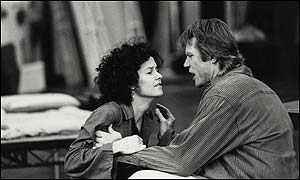 Sophie's Choice is a story known across the world
As the opera of Sophie's Choice makes its world premi�re in London, BBC News Online talks to its composer and the author of the original book. In literary and cinematic history, Sophie's Choice stands as a landmark of emotional depth. William Styron's tragic original 1979 novel about the harrowing and lasting effects of the suffering of the Nazi concentration camps became an international best-seller. In 1982, it was made into a powerful Oscar-winning film. Now, another version of the story is being unleashed but in the more surprising format of opera, at the Royal Opera House in London.
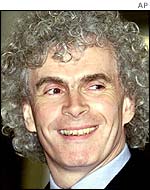
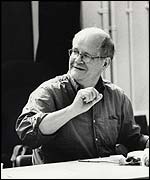
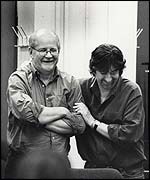
It has already sold out thanks to subsidised seats - the best spots went for �50 - and a star line-up of conductor Sir Simon Rattle, director Trevor Nunn and British composer Nicholas Maw. 'Stunned' Maw, the brains behind the project, is also living proof of the power of Sophie's Choice. He walked away from opera some 30 years ago - bitter after the poor treatment of his work The Rising of the Moon - but he was compelled to return on seeing the film. "I was overwhelmed by the subject matter," Maw says.
"From the beginning, I thought this would make the most extraordinary subject for an opera. I rushed out and bought the book." Sophie's Choice tells the story of three young people living in America in 1947. One, would-be writer Stingo, recounts the story. The charismatic but unhinged Nathan and his beautiful lover Sophie - a Polish Catholic survivor of Auschwitz - make up the trio. As the story unfolds, Sophie details the true extent of her suffering in the concentration camp. At the centre is the terrible choice she was forced to make over which of her children would go to the gas chamber. Theatre Maw took 10 years to get his operatic vision for the story off the ground. At first, the Royal Opera House itself was Maw's main obstacle, turning down his proposal when first brought to them. But sweeping changes within the institution's management opened the door to Maw to complete his dream.
Integral to the success of his opera was the casting of Sophie, she had to be as powerful in the role as Meryl Streep was in the film. Maw says he could not have asked for anyone better than Austrian soprano Angelika Kirschschlager. "Once I knew she was going to take the part I wrote the music with her in mind. She has so many remarkable qualities," he said. "The voice is very beautiful but she is also an exceptional actress and I was adamant that this subject matter needed to be well acted." The involvement of Trevor Nunn was another blessing in this respect. But adapting and condensing Styron's structurally complicated novel proved a huge challenge. 'Musical essence' Styron's book weaves between the present, pre-war Poland and wartime Warsaw and Auschwitz. To get over the difficulty, Maw wrote in the part of the narrator, but with words taken from the book.
Maw says: "It's a slightly dangerous thing to do but I hope that is bypassed because the narrator is extremely emotionally involved. He is not just a story-teller." More contentious was that Maw considered Styron's bleak story suitable for musical treatment at all. But Maw and Styron agreed that music was one of the best ways to encompass tragic emotion. "I felt that one of the failings of the movie was its inability to capture the musical essence that I had tried to create in the book. I felt it was Hollywood-ised," Styron says. The writer declined to be involved in the opera - he did not want to go back over old ground. But he trusted Maw to be faithful to his story. "I got the sense he was going to be pretty faithful to my narrative. He had a feeling for the story and believed he would do no violation and I was right," Styron says. Relevant Styron has not written another novel since Sophie's Choice and has been plagued by years of depression. But he was touched by Maw's commitment. "You can't help but feel moved that people are prepared to employ so much energy in recreating one's work," he says. He will be hearing and seeing the opera for the first time at its debut on Saturday. He concludes: "I feel my story has validity in developing the theme of the inhumanity of humans towards each other on a large, horrendous scale. "To that extent the work, in any format, echoes what is going on in the world today." Sophie's Choice will be performed on 10, 16, 19 and 21 December at the Royal Opera House, and broadcast live on BBC Radio 3 on 10 December at 1855 GMT and BBC Four on 21 December at 1900 GMT. | | See also:  29 Nov 02 | Entertainment 12 Oct 02 | Entertainment 07 Sep 02 | Entertainment 18 Feb 02 | Entertainment 22 Aug 01 | Entertainment 13 Jul 99 | Entertainment 14 Jun 02 | Entertainment Internet links: The BBC is not responsible for the content of external internet sites Top Entertainment stories now: Links to more Entertainment stories are at the foot of the page. | ||||||||||||||||||||||||||||||||||||||||||||||||||||||||||||||||||||||||||||||||||||||||||||||||||||||||||||||||||||||||||||||||||||||||||||||||||
| |
|  E-mail this story to a friend E-mail this story to a friend |
| |
| Links to more Entertainment stories |
| | | ||
 | ||||
 | | Back to top
| ||
| ---------------------------------------------------------------------------------- To BBC Sport>> | To BBC Weather>> | To BBC World Service>> ---------------------------------------------------------------------------------- © MMIII | News Sources | Privacy |