
|
 |
 | | | | | | ||||||||||||||||||||||||||||||||||||||||||||||||||||||||||||||||||||||||||||||||||||||||||||||||||||||||||||||||||||||||||||||||||||
| | | You are in: Entertainment | ||||||||||||||||||||||||||||||||||||||||||||||||||||||||||||||||||||||||||||||||||||||||||||||||||||||||||||||||||||||||||||||||||||||
|
| | Friday, 25 October, 2002, 16:18 GMT 17:18 UK Music giants target workplaces 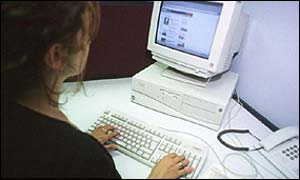 Most offices have faster connections that home PCs The US record industry is continuing its fight against computer users downloading songs free from the internet by calling on employers to ban downloading at work. Trade groups representing record labels, film studios and music publishers are to send a letter to 1,000 big corporations asking them to implement a system to stop illegal downloads. The industry has been fighting a constant battle against websites such as Kazaa, Gnutella, and the now defunct Napster, which offer download services for free, dodging copyright fees. It has realised that many people will download movies and music at work where they can access quicker internet connections. "We urge you to take whatever steps necessary to ensure that your network is not being misused to infringe copyrighted works," the letter says. It goes on to appeal to recipients' consciences, comparing downloading free music to walking into a shop and stealing a CD or DVD. Schools and colleges in the US have been sent similar letters to encourage them to stop students using campus computers to illegally download material. Sales slump The letter also suggests companies could be held liable for copyright infringement if employees were found to be using its networks. The letter was signed by the Recording Industry Association of America, the Motion Picture Association of America, the National Music Publishers' Association and the Songwriters Guild of America. The music industry has long been blaming internet song-swapping for a fall in music sales and has spent time and money trying to shut down operations and threatening to prosecute users. It was successful in forcing the front runner of download services, Napster, to close down after taking legal action. Napster has originally planned to return with a legal music service, but failed to bounce back from its enforced shutdown. But a whole raft of other websites offering similar file-swapping services have sprung up in its place. Industry groups are employing software companies to track down offenders. Record companies have also tried to swamp peer-to-peer networks with dummy files and traffic-slowing measures to deter users. | | See also:  23 May 02 | Science/Nature 20 May 02 | Science/Nature 10 Jul 02 | Business 27 Jun 02 | Science/Nature 23 Sep 02 | Technology 17 Sep 02 | Entertainment 26 Sep 02 | Technology Internet links: The BBC is not responsible for the content of external internet sites Top Entertainment stories now: Links to more Entertainment stories are at the foot of the page. | ||||||||||||||||||||||||||||||||||||||||||||||||||||||||||||||||||||||||||||||||||||||||||||||||||||||||||||||||||||||||||||||||||||
| |
|  E-mail this story to a friend E-mail this story to a friend |
| |
| Links to more Entertainment stories |
| | | ||
 | ||||
 | | Back to top
| ||
| ---------------------------------------------------------------------------------- To BBC Sport>> | To BBC Weather>> | To BBC World Service>> ---------------------------------------------------------------------------------- © MMIII | News Sources | Privacy |



