|
 |
 | | | | | | |||||||||||||||||||||||||||||||||||||||||||||||||||||||||||||||||||||||||||||||||||||||||||||||||||||||||||||||||||||||||||||||||||||||||||||||||||||||||||||||||||||||
| | | You are in: Business | |||||||||||||||||||||||||||||||||||||||||||||||||||||||||||||||||||||||||||||||||||||||||||||||||||||||||||||||||||||||||||||||||||||||||||||||||||||||||||||||||||||||||
|
| | Tuesday, 18 February, 2003, 11:29 GMT Planning for disaster  The army is prepared but is business?
Many of the bunkers were sold off but this one, in Kent, is being used to store vital documents and data.
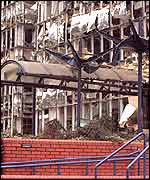
With the heightened possibility of a major terrorist attack on London, questions are being asked about how well companies could cope if they were forced to abandon their offices. Many firms had detailed disaster plans long before New York's twin towers were destroyed. "But New York changed the whole climate," says John Sharp, chief executive of the Business Continuity Institute. Biological attack Suddenly it was clear that if back-up sites or command centres were too close, then they might also be put out of action by an attack.
So one of the questions that has been troubling the disaster recovery planners is: how far away should the back-up office be? "I don't think that's been resolved," says Mr Sharp. "You could look at the physical damage and say we should be one mile away. "But if there's a biological incident should it be five or 10 miles? "If your business has to be up and running within two hours that might be too far away." Working from home Before 11 September, the stockbrokers Charles Stanley had their so-called ghost office just a mile away. "We decided it was too close to our main offices for comfort so we have made the decision to relocate it outside London," says IT director Michael Pitts.
"In the original plan the ghost office had hundreds of seats and everybody moved to that location. "Now we could provide people with all the connectivity they would need to work from home." Some staff would also move to the company's other UK offices. "Our client confidence is important to us and we feel that if we did not provide a continuity of service that would damage our business." 'Not fully prepared' The financial services industry has made the best contingency plans, partly because it is forced to do so by its regulator, the FSA.
"There would be gridlock, telephones wouldn't work. "I think it would be true to say most organisations, including the financial services industry, would not be able to continue with very severe disruption and they wouldn't be fully prepared for it. "There are still people out there who think this is all scaremongering, so haven't put in sufficient preparation to really cope with all the possibilities." Double-booking But even without detailed planning Mr Butters says businesses can survive.
At a time when finances are being squeezed, many companies do not want to spend heavily on back-up systems they might never use. But big businesses whose reputations would be at stake if they stopped trading, are willing to pay the price. "One site in the UK clears a trillion dollars a day. They have set themselves a target of being up and running within two hours. They spend six figure sums every year on business continuity planning," says Mr Sharp.
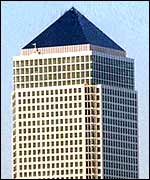
It would be fine if a fire, flood or technology failure affected just one business. But if the whole of Canary Wharf had to be evacuated, companies could get fewer desks than they expected or no office space at all. Ian Glover, director of the Insight consultancy, says: "I think they are very well prepared individually as companies, but somebody needs to co-ordinate." Companies at risk "The financial services industry still tends to be ahead of the rest but there's still a gap between the best and the worst," says Rick Cudworth, a partner at KPMG who specialises in business continuity. "Now it's not just financial services, other sectors are getting more involved. "These are large organisations with substantial offices in London looking at how they can protect themselves." But despite all this extra interest Mr Cudworth says: "It's not boom time for the industry. "This counter pressure of controlling costs has meant it's not a period in which we have seen huge growth." And, if there were a big disaster, he warns: "There are certainly companies who are at risk, they would certainly lose a significant part of their business that's important to them." | |
Internet links:  The BBC is not responsible for the content of external internet sites Top Business stories now: Links to more Business stories are at the foot of the page. | |||||||||||||||||||||||||||||||||||||||||||||||||||||||||||||||||||||||||||||||||||||||||||||||||||||||||||||||||||||||||||||||||||||||||||||||||||||||||||||||||||||||
 | |
|  E-mail this story to a friend E-mail this story to a friend |
| |
| Links to more Business stories |
| | | ||
 | ||||
 | | Back to top
| ||
| ---------------------------------------------------------------------------------- To BBC Sport>> | To BBC Weather>> | To BBC World Service>> ---------------------------------------------------------------------------------- © MMIII | News Sources | Privacy |






 There are still people out there who think this is all scaremongering, so haven't put in sufficient preparation