|
 |
 | | | | | | |||||||||||||||||||||||||||||||||||||||||||||||||||||||||||||||||||||||||||||||||||||||||||||||||||||||||||||||||||||||||||||||||||||||||||||||||||||||||||||||||||||||||||||||||||||||||||||||||||||||||||||||||||||
| | | You are in: Business | |||||||||||||||||||||||||||||||||||||||||||||||||||||||||||||||||||||||||||||||||||||||||||||||||||||||||||||||||||||||||||||||||||||||||||||||||||||||||||||||||||||||||||||||||||||||||||||||||||||||||||||||||||||||
|
| | Thursday, 13 February, 2003, 12:47 GMT Has the fat lady really sung for cig ads?  Silk Cut's last hurrah is thought to have cost �2.5m
It will be followed by bans on direct mail, in-pack promotion and sponsorship, spelling the end, in theory, of the UK's �100m a year tobacco promotion industry. But the tobacco giants are unlikely to give up without a fight.
They have always viewed regulation as a spur to creativity - and have overcome apparently insurmountable hurdles before. Tight regulation Banned in the 1970s from using overtly glamorous or 'cool' imagery, they resorted to an increasingly surreal approach to sell their deadly wares.
Charles Saatchi's campaign for Benson and Hedges was acknowledged within the industry as a classic. It also helped propel the brand to number one slot in the UK market. This time, the industry insists, it is a different story. Moray MacLennan, chief executive of M&C Saatchi, the agency behind Silk Cut's final �2.5m 'fat lady' campaign, said: "I think this regulation is extremely tight. "There will be nothing open to advertising agencies in terms of promotion of cigarettes. It is the end." Marketing 'challenge' Dave Betteridge, press relations manager at British American Tobacco, makers of Rothmans and Dunhill cigarettes, said the industry was not interested in "trying to chalk up a hollow victory, as might have been the case 15 or 20 years ago".
But he admitted that, "at some level", the new restrictions presented a challenge. In an article for its website, BAT's marketing director Jimmi Rembiszeewski, says: "We agree there should be different rules about tobacco marketing - and that's part of the challenge our marketers are trained to meet." Shop displays The biggest potential loophole in the UK regulations is so-called "point-of-sale" material.
But a department of health spokesman admitted the rules will only "restrict" instore promotion rather than ban it outright. Dave Betteridge agreed the challenge would be to ensure prominent displays in supermarkets and bars. Another potential weakspot is brand extension. In recent years, tobacco companies have branched out into clothing and lifestyle products to build brand awareness. Marlboro launched a range of clothing and BAT has experimented with branded coffee shops. These too will be banned under the new laws, although the government is still finalising the legislation. 'Adult choice' As the ban on overt promotion and sponsorship comes into force, tobacco companies are likely to turn to even more subtle methods to recruit new smokers.
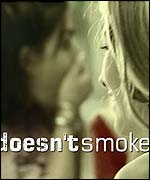
Their corporate websites are full of solemn declarations on the "real health risks" associated with smoking. The UK's second largest cigarette firm Gallaher, makers of Silk Cut and Benson and Hedges, now prints "For Adult Use Only" on every pack. But health campaigners have smelled a rat. Anti-smoking drive Amanda Sandford, of Action on Smoking and Health, said: "They are trying to promote smoking as an adult activity, which in turn makes it even more appealing to youngsters. "That is everything young people aspire to. "It is clearly just a PR exercise, a complete sham. We have been trying to alert people to this." The industry has also come under fire for funding anti-youth smoking initiatives. Last year, in an open letter to the tobacco companies, the World Health Organisation said "these campaigns have no effect. In some cases they may actually encourage young people to smoke." Cynical PR stunt? In 2001, BAT trumpeted its backing for a series of TV ads telling youngsters it was cool not to smoke. The �2.4m campaign, which was seen on UK screens on cable channel MTV Europe, was jointly funded by BAT, Philip Morris and Japan Tobacco. BAT initially claimed the campaign had made a good impact on the target audience of 12 to 17-year-olds. But it subsequently decided to pull out of the project after health campaigners accused it of being a cynical PR stunt. ASH said the campaign's true audience was legislators and opinion-formers in charge of tobacco policy. But Dave Betteridge insists BAT was just trying "to do the right thing". Developing countries He said it stopped funding the campaign after consulting experts in the health and education sector. "We said: 'If you were us what would you do, bearing in mind the need to meet the reasonable expectations of western countries.' "They said 'we think you should have nothing to do with anti-smoking campaigns. We think that sucks'." BAT does, however, continue to fund anti-smoking advertising in developing countries, where it does most of its business. "There are places where it is welcomed and places where it is not. "It depends on the country. The experience in the UK was that people said we are not really convinced you should be doing that," Mr Betteridge told BBC News Online. | |
See also:  13 Feb 03 | Health 01 Feb 03 | Health 25 Nov 02 | Business Internet links: The BBC is not responsible for the content of external internet sites Top Business stories now: Links to more Business stories are at the foot of the page. | |||||||||||||||||||||||||||||||||||||||||||||||||||||||||||||||||||||||||||||||||||||||||||||||||||||||||||||||||||||||||||||||||||||||||||||||||||||||||||||||||||||||||||||||||||||||||||||||||||||||||||||||||||||
 | |
|  E-mail this story to a friend E-mail this story to a friend |
| |
| Links to more Business stories |
| | | ||
 | ||||
 | | Back to top
| ||
| ---------------------------------------------------------------------------------- To BBC Sport>> | To BBC Weather>> | To BBC World Service>> ---------------------------------------------------------------------------------- © MMIII | News Sources | Privacy |






 We agree there should be different rules about tobacco marketing - and that's part of the challenge our marketers are trained to meet