|
 |
 | | | | | | |||||||||||||||||||||||||||||||||||||||||||||||||||||||||||||||||||||||||||||||||||||||||||||||||||||||||||||||||||||||||||||||||||||||||||
| | | You are in: Business | |||||||||||||||||||||||||||||||||||||||||||||||||||||||||||||||||||||||||||||||||||||||||||||||||||||||||||||||||||||||||||||||||||||||||||||
|
| | Monday, 13 January, 2003, 14:32 GMT Turkey reveals privatisation plans  Many privatisations are in the pipeline Economically troubled Turkey plans to sell-off more than $4bn in state assets in 2003 as part of an agreed financial plan with the International Monetary Fund (IMF). Deputy Prime Minister Abdullatif Sener announced the plans despite a looming war with neighbouring Iraq, which could scare off investors.
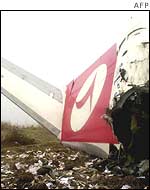
"Our aim is this: We will realise at least half of the $8bn in privatisations made during the past 17 years," he said. Mr Sener said petrochemicals firm Petkim, refiner Tupras and tobacco and alcohol monopoly Tekel would be sold in the first half of the year. Turkish Airlines would be up for sale again in the second half despite a crash last week which claimed 72 lives. There was no news about Turk Telekom, the biggest and most anticipated sale, which has been blocked by politicians and the military fearing it would undermine national security. On the block Mr Sener also said the sale would include sugar factories, the stock exchange, the gold exchange, banks, the national lottery, several ports, factories and bridges over the Bosphorus Strait. The sell-offs by the EU-candidate country are a core condition of Turkey's $16bn loan agreement with the IMF. Turkey is thought to have raised $515m in the first nine months of 2002 against the IMF target of $700m for the whole of the year. Mr Sener promised that the jobs of 64,000 workers affected by the privatisations would be safeguarded but warned unprofitable businesses would be shut. No individual valuations of the enterprises were given. New government The government which took office on 3 November is the first single party administration in Turkey in recent years. The Justice and Development Party (AKP), which grew out of the Islamist movement, came to power promising to address Turkey's social problems and help end an ongoing economic crisis. "These are privatisations which have been planned for years and should have been taken care of a long time ago," Mr Sener said. | | See also:  27 Dec 02 | Business 04 Nov 02 | Business 03 Nov 02 | Business Internet links: The BBC is not responsible for the content of external internet sites Top Business stories now: Links to more Business stories are at the foot of the page. | |||||||||||||||||||||||||||||||||||||||||||||||||||||||||||||||||||||||||||||||||||||||||||||||||||||||||||||||||||||||||||||||||||||||||||
 | |
|  E-mail this story to a friend E-mail this story to a friend |
| |
| Links to more Business stories |
| | | ||
 | ||||
 | | Back to top
| ||
| ---------------------------------------------------------------------------------- To BBC Sport>> | To BBC Weather>> | To BBC World Service>> ---------------------------------------------------------------------------------- © MMIII | News Sources | Privacy |