|
 |
 | | | | | | |||||||||||||||||||||||||||||||||||||||||||||||||||||||||||||||||||||||||||||||||||||||||||||||||||||||||||||||||||||||||||||||||||||||||||||||||||||||||||||||||||||||||||||||||||||||||||||
| | | You are in: Business | |||||||||||||||||||||||||||||||||||||||||||||||||||||||||||||||||||||||||||||||||||||||||||||||||||||||||||||||||||||||||||||||||||||||||||||||||||||||||||||||||||||||||||||||||||||||||||||||
|
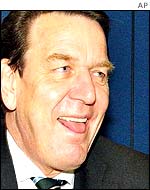
| | Wednesday, 8 January, 2003, 18:14 GMT Germany must slash deficit, EU rules  Germany has not cut spending as its economy slowed Germany must take action on its looming budget deficit by 21 May or face punishment, the European Commission has warned. The dressing-down from Brussels is being seen as a humiliation for the government of Europe's largest economy but is not expected to lead to any immediate financial penalty.
In the second step of a formal "excessive deficit procedure", the Commission called on EU finance ministers to join it in piling pressure on Germany when they meet on 21 January. The procedure was launched in November, after forecasts indicated that Germany's deficit for 2002 would expand to 3.8% of annual economic output - way in excess of the 3% ceiling all eurozone members have signed up to. The Commission insists member states keep expenditure within limits, in order to bolster investor confidence in the euro. And Germany was not the only country to incur the displeasure of the Commission, with France and Italy both being warned over their deficits. 'Long process' In its latest judgement on Germany, the Commission argued Berlin was to blame for overspending, which did not result from any unforeseen external factor.
But EU monetary affairs commissioner Pedro Solbes indicated any fining of Germany for breaching the so-called Stability and Growth Pact was still some way off. "The regulation of the treaty does not imply any type of immediate fine," he said. "There is a second recommendation and it is a long process." Pension concern But Klaus Regling, the European Commission's director general of economic affairs told the BBC that changing the ground rules could be dangerous. "We're convinced it's a good pact. It's very problematic whenever there are difficult times to tinker with the rules immediately," he told the BBC's World Business Report. He also warned that allowing higher deficits could harm the economy in the longrun. "People are worried about their pensions, they know that higher deficits mean higher taxes in the future so they save for all these reasons," he said. "To let high deficits continue for too long is counter productive, It will not help confidence: it will create additional problems and not lead to more growth," he said. Problematic promises The government of Chancellor Gerhard Schroeder has pledged to rein in spending sharply.
As the European Commission released its ruling, German public sector employers and trade union Verdi were heading for pay talks, seen as the last chance of averting a lengthy strike. Verdi, like many other labour organisations, fears a period of austerity and deregulation which could result in heavy job losses. Some economists, meanwhile, argue that if Germany does not act now to make its economy more competitive, it will fall into a severe recession that may cost even more jobs in the long run. Further warnings The Commission also expressed its concerns over the levels of deficits being run up by the French and Italian governments. It said France's target of reaching a balanced budget by 2006 was based on economic forecasts which were too optimistic. Mr Solbes said the chances of France's deficit rising above the 3% limit "remains large" and said "a greater degree of budgetary ambition is required". The Commission also called on Italy to make greater efforts to cut its debts. Caught napping The Commission's warning to Germany falls under the Stability and Growth Pact, a set of rules that were initially created at Berlin's insistence. The Pact was intended to hold in check the state finances of smaller, poorer eurozone member states such as Ireland and Greece, but the main miscreants so far have been larger economies such as France, Italy and Germany itself. Germany is the second country, after Portugal last year, to have triggered the Commission's formal warning mechanism over its budget. At the same time, there is increasing controversy over the Pact, which many politicians regard as needlessly inflexible and unsuited to current economic conditions. European Commission President Romano Prodi caused a furore last year when he called the Pact "stupid" in a French newspaper interview. | |
See also:  08 Jan 03 | Business 06 Jan 03 | Business 17 Dec 02 | Europe 07 Dec 02 | Europe 07 Nov 02 | Business 28 Oct 02 | Business 16 Oct 02 | Business 23 Sep 02 | Business Internet links: The BBC is not responsible for the content of external internet sites Top Business stories now: Links to more Business stories are at the foot of the page. | |||||||||||||||||||||||||||||||||||||||||||||||||||||||||||||||||||||||||||||||||||||||||||||||||||||||||||||||||||||||||||||||||||||||||||||||||||||||||||||||||||||||||||||||||||||||||||||
 | |
|  E-mail this story to a friend E-mail this story to a friend |
| |
| Links to more Business stories |
| | | ||
 | ||||
 | | Back to top
| ||
| ---------------------------------------------------------------------------------- To BBC Sport>> | To BBC Weather>> | To BBC World Service>> ---------------------------------------------------------------------------------- © MMIII | News Sources | Privacy |




 Regulation of the treaty does not imply any type of immediate fine