|
 |
 | | | | | | ||||||||||||||||||||||||||||||||||||||||||||||||||||||||||||||||||||||||||||||||||||||||||||||||||||||||||||||||||||||||||||||||||||||||||||||||||||||
| | | You are in: Business | ||||||||||||||||||||||||||||||||||||||||||||||||||||||||||||||||||||||||||||||||||||||||||||||||||||||||||||||||||||||||||||||||||||||||||||||||||||||||
|
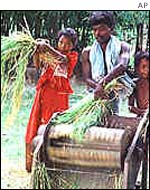
| | Wednesday, 8 January, 2003, 09:01 GMT Illegal workers leave Gulf  Dubai's wealth attracts poor migrants from Asia
The authorities have said illegal workers can leave without risking fines or jail on arrival at a port or airport until the end of April 2003. About 300,000 illegal workers are expected to leave, a spokeswoman for the UAE embassy in London told BBC News Online. The country held one previous amnesty in 1996. Foreign diplomats in the UAE said they did not expect the risk of war with Iraq, at the other end of the Gulf, to create a rush to leave or a shortage of future job applicants. Essential workers The Middle Eastern country depends on foreign workers, who make up 75% of the 2.8 million people who live there. Most do menial jobs in construction, agriculture or domestic work. India, Pakistan, Bangladesh and Sri Lanka supply the majority - about 1.5 million workers altogether - though large numbers also come from Indonesia and the Philippines. About 200 Bangladeshis a day have turned to their embassy for help to leave since the amnesty began a week ago, the deputy chief of mission at the Bangladesh embassy in UAE told BBC News Online. Indian diplomats also reported up to 200 applicants for amnesty a day, while the Sri Lankan embassy has received 300 people during the week. 'Frightened' "People who come to us have no travel documents," said J.B. Nakkawitta, Sri Lanka's ambassador in the UAE capital, Abu Dhabi. Illegal workers have usually overstayed their visas or switched jobs, losing their work permit. Some have run away from abusive employers.
Human rights groups believe employers' control over passports makes migrants vulnerable to physical and sexual mistreatment. The UAE authorities and foreign diplomats both say the amnesty has a humanitarian side, making it easier for workers with no money to go home. The amnesty will "help these people because some of them are scared to show their faces," the spokeswoman for the UAE's London Embassy said. "Many of them wanted to leave the country but they could not leave because they could not pay the fine," said M.A.K. Mahmood, deputy chief of mission at Bangladesh's embassy in Abu Dhabi. Pay or stay away Usually, illegals who are caught must pay a fine but until 30 April they will be barred from the country for one year instead. Those who agree to pay the fine can apply to return sooner but it is too expensive for many. The charge is 100 dirhams ($27; �16.8) for every day overstayed, but most unskilled workers only earn between 500 dirhams and 800 dirhams per month. Embassies have made special arrangements to help those who have no money and to issue travel documents. Travel agents have reportedly taken on extra staff and airlines are considering extra flights. The authorities have appealed to employers to hand in runaways' passports so they can be passed on to embassies. "Quite a lot (of people) who come in, we have been able to trace the passport for them," the Sri Lankan ambassador said. "Several hundred" passports have been handed in so far. Crackdown coming He said 90% of applicants for travel documents had money to travel. The figure suggests that lack of permits or fear of heavy fines was more of a problem for most migrants than finding work. UAE authorities want to reduce dependence on migrant labour under a long-term policy known as "Emiratisation". The Interior Ministry is planning tougher tactics to catch illegal migrants after 30 April, the official Gulf News newspaper has reported. It began a policy of immediate deportations for those arrested in swoops on street markets and dormitories last month, according to the newspaper. | | See also:  06 Jan 03 | Business 07 Jan 03 | Business 07 Jan 03 | Middle East Internet links: The BBC is not responsible for the content of external internet sites Top Business stories now: Links to more Business stories are at the foot of the page. | ||||||||||||||||||||||||||||||||||||||||||||||||||||||||||||||||||||||||||||||||||||||||||||||||||||||||||||||||||||||||||||||||||||||||||||||||||||||
 | |
|  E-mail this story to a friend E-mail this story to a friend |
| |
| Links to more Business stories |
| | | ||
 | ||||
 | | Back to top
| ||
| ---------------------------------------------------------------------------------- To BBC Sport>> | To BBC Weather>> | To BBC World Service>> ---------------------------------------------------------------------------------- © MMIII | News Sources | Privacy |