|
 |
 | | | | | | |||||||||||||||||||||||||||||||||||||||||||||||||||||||||||||||||||||||||||||||||||||||||||||||||||||||||||||||||||||||||||||||||||||||||||
| | | You are in: Business | |||||||||||||||||||||||||||||||||||||||||||||||||||||||||||||||||||||||||||||||||||||||||||||||||||||||||||||||||||||||||||||||||||||||||||||
|
| | Friday, 13 December, 2002, 11:52 GMT IMF debt relief plan fails Uganda 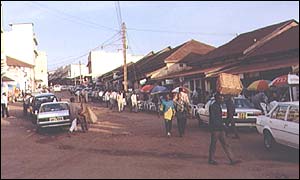 Debt relief has made little difference in Uganda The IMF and World Bank's debt relief programme has failed to reduce the debt of Uganda, the first country to qualify for the scheme. A Ugandan finance ministry official said the country's foreign debt was "unsustainable" five years after applying the Highly Indebted Poor Countries (HIPC) policy.
Uganda's foreign debt has been growing by an average of $108m (�68m) annually over the past four years, Longino Tisasirana, the assistant commissioner in charge of the macro-economic department in the finance ministry, told the news agency AFP. "Figures indicate that our debt is unsustainable," said Mr Tisasirana. Uganda's foreign debt has grown from $3.4bn in 1998 to $3.83bn last June, even thought the country has received more than $1bn in debt relief. Zambia threat The HIPC scheme was set up in 1999 in an attempt to crack down on world poverty by 2015 and cut $70bn off the $214bn debt burden of the world's poorest nations. But it requires countries to implement radical privatisations and tax policies in exchange for lifting their debt burden. On Monday, the IMF said it would delay $1bn of debt relief to Zambia if the country failed to privatise the state-owned commercial bank. "If they don't sell, they will not get the money. Over $1 billion could be delayed," IMF resident representative to Zambia Mark Ellyne was quoted as saying. Mass opposition to the sale of the Zambia National Commercial Bank (ZNCB) has forced the government to put off the country's biggest privatisation. Debt deal Earlier this year a report by the two lenders found the HIPC programme was off track. Eight to 10 countries in the programme would still be in debt by the time it finished, according to the report. Weakness in the global economic environment and particularly low commodity prices on which most HIPCs depend, has made it even more difficult for countries to reach the targets set out, the report said. So far this year seven countries have had interim debt relief halted because of their failure to meet the IMF's targets. | | See also:  10 Dec 02 | Business 28 Sep 02 | Business 29 Aug 02 | Business 03 Jul 02 | Business 08 Jun 99 | debt Internet links: The BBC is not responsible for the content of external internet sites Top Business stories now: Links to more Business stories are at the foot of the page. | |||||||||||||||||||||||||||||||||||||||||||||||||||||||||||||||||||||||||||||||||||||||||||||||||||||||||||||||||||||||||||||||||||||||||||
| |
|  E-mail this story to a friend E-mail this story to a friend |
| |
| Links to more Business stories |
| | | ||
 | ||||
 | | Back to top
| ||
| ---------------------------------------------------------------------------------- To BBC Sport>> | To BBC Weather>> | To BBC World Service>> ---------------------------------------------------------------------------------- © MMIII | News Sources | Privacy |