|
 |
 | | | | | | |||||||||||||||||||||||||||||||||||||||||||||||||||||||||||||||||||||||||||||||||||||||||||||||||||||||||||||||||||||||||||||||||||||||||||||
| | | You are in: Business | |||||||||||||||||||||||||||||||||||||||||||||||||||||||||||||||||||||||||||||||||||||||||||||||||||||||||||||||||||||||||||||||||||||||||||||||
|
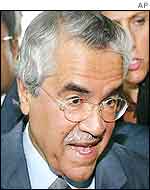
| | Tuesday, 10 December, 2002, 13:58 GMT Saudi Arabia calls for oil output cuts  Will less oil be shipped to consumer countries? Ali Naimi, the most influential man in Opec, has said the cartel should reduce the amount of oil being pumped into the world marketplace.
Several Opec members are known to be producing much more than their quotas stipulate, in an attempt to maximise revenue. The risk in this for Opec - besides damaged credibility - is that so much more oil reaches the market that it pushes down prices sharply, possibly out of the cartel's preferred $22-28 a barrel trading range. "Now there is a need to cut [output]," Mr Naimi said. Regaining control Mr Naimi's desire to trim output comes in spite of concerns about the security of supply from Iraq and Venezuela. Venezuela's oil industry is paralysed by a national strike, while the threat of a US-led war against Iraq is casting doubts over future production there.
The 11-member cartel, which includes many of the world's largest oil exporting countries, seeks to control the price of crude oil by altering supplies according to demand. But some member countries have recently been pumping far more oil than their quotas allow, denting Opec's effectiveness. Saudi Arabia now wants to press its fellow member countries into greater discipline. "Opec needs to regain some credibility - the official target has become almost notional," said Samira Kawar, Middle East editor at Petroleum Argus. Mr Naimi wants to cut actual output by up to 2 million barrels a day while raising the cartel's formal target by up to 1.5 million barrels a day. Mixed markets Analysts said a decision to raise quotas but cut output risked sending a confusing message to the markets. In London, oil prices rose slightly on the news, before falling back to $25.55 a barrel because of fears that the new targets would not be successfully implemented. International oil prices are also being governed by the likelihood of a resolution to the troubles in Venezuela. Opec sources said Venezuela's energy minister was unlikely to attend the Vienna meeting. Opec has not changed its production quotas since January this year. | | See also:  10 Dec 02 | Americas 18 Sep 02 | Business 19 Sep 02 | Business 12 Feb 03 | Business 12 Feb 03 | Business 17 Sep 02 | Business 16 Sep 02 | Business 17 Sep 02 | Middle East Top Business stories now: Links to more Business stories are at the foot of the page. | |||||||||||||||||||||||||||||||||||||||||||||||||||||||||||||||||||||||||||||||||||||||||||||||||||||||||||||||||||||||||||||||||||||||||||||
|  |
|  E-mail this story to a friend E-mail this story to a friend |
 | |
| Links to more Business stories |
| | | ||
 | ||||
 | | Back to top
| ||
| ---------------------------------------------------------------------------------- To BBC Sport>> | To BBC Weather>> | To BBC World Service>> ---------------------------------------------------------------------------------- © MMIII | News Sources | Privacy |