|
 |
 | | | | | | |||||||||||||||||||||||||||||||||||||||||||||||||||||||||||||||||||||||||||||||||||||||||||||||||||||||||||||||||||||||||||||||||||||||||||||||||||
| | | You are in: Business | |||||||||||||||||||||||||||||||||||||||||||||||||||||||||||||||||||||||||||||||||||||||||||||||||||||||||||||||||||||||||||||||||||||||||||||||||||||
|
| | Thursday, 5 December, 2002, 13:00 GMT Bank keeps UK interest rates steady 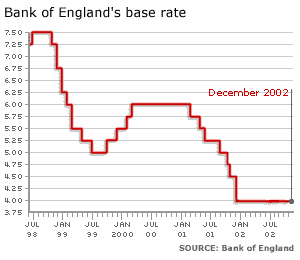 The Bank of England has voted to keep interest rates unchanged at 4.0%, resisting calls from industry to cheapen borrowing.
The Bank has long faced pressures to cut rates to help manufacturing, the tortoise in the two speed UK economy. But senior figures at the Bank have recently spelt out their worries that a rate cut would twist spiralling house prices up another notch, increasing the risk of a collapse in the housing market. Balancing act Most employers' groups welcomed the Bank's decision. "The Bank faces a tough challenge juggling the risks that an overheating housing market and a struggling manufacturing sector pose to the economy," said David Frost, director general of British Chambers of Commerce.
"A rate cut would help ease the debt burden on manufacturers, but.. by stoking the house price boom it might exacerbate the imbalances in the economy." The Institute of Directors forecast the MPC would be hamstrung by the overheated housing market "until spring at the earliest". Even the Engineering Employers Federation, which had called for a rate cut to boost exports and protect jobs in struggling UK industry, recognised the Bank's "acute dilemma". The federation added that it was "disappointed" that rates had not been cut. New fears In addition to the long-standing problems of manufacturing, the MPC had to weigh up signs that the all-important retail and services sector could be slowing too. Together, retailing and the wider services sector account for two thirds of the UK economy. At the start of the MPC's two-day meeting, a monthly survey of retailers found High Street sales grew at a slacker pace than expected in November, dampening retailers' hopes of a strong Christmas. And another influential survey - this time of purchasing managers - has found business confidence in the services sector at its lowest level for a year. House prices still rising Despite signs of some falls in the highest priced districts in central London and the South East, the housing market overall is not yet cooling. House price rises picked up speed in November to an annual rate of 25.5%, the highest for 13 years, Nationwide building society said on Tuesday. The average price of a house rose �2,000 in November alone to �115,761. The consensus view among mortgage providers is that house price rises will continue in 2003, although at a slower rate than has been seen this year. | |
See also:  03 Dec 02 | Business 27 Nov 02 | Business 26 Nov 02 | Business 20 Nov 02 | Business 20 Nov 02 | Business Top Business stories now: Links to more Business stories are at the foot of the page. | |||||||||||||||||||||||||||||||||||||||||||||||||||||||||||||||||||||||||||||||||||||||||||||||||||||||||||||||||||||||||||||||||||||||||||||||||||
| |
|  E-mail this story to a friend E-mail this story to a friend |
| |
| Links to more Business stories |
| | | ||
 | ||||
 | | Back to top
| ||
| ---------------------------------------------------------------------------------- To BBC Sport>> | To BBC Weather>> | To BBC World Service>> ---------------------------------------------------------------------------------- © MMIII | News Sources | Privacy |