
|
 |
 | | | | | | |||||||||||||||||||||||||||||||||||||||||||||||||||||||||||||||||||||||||||||||||||||||||||||||||||||||||||||||||||||||||||||||||||||||||||||||||||||||||
| | | You are in: Business | |||||||||||||||||||||||||||||||||||||||||||||||||||||||||||||||||||||||||||||||||||||||||||||||||||||||||||||||||||||||||||||||||||||||||||||||||||||||||||
|
| | Wednesday, 11 December, 2002, 09:10 GMT Britons' happiness eludes rise in riches 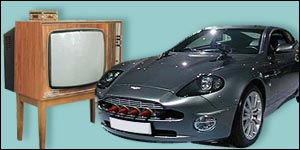
Professor Nick Crafts of the London School of Economics argued in a recent lecture to the Royal Economic Society that growth rates since the Second World War have been seriously under-estimated. Professor Crafts says that the conventional measures of the economy, which show that the average growth rate slowed from 2.5% in the 1950s to around 1.8% in the last 20 years, are misleading. By his calculations, our real economic growth rate was 2.8% from 1950-73, and 2.3% between 1973 and 2001.
He says that the spread of consumer goods is not accurately captured by the official changes in retail price index, which do not measure the value of new goods such as computers and video recorders, and the extra features available for others, such as cars. And he says that as leisure time has grown, we have to work fewer hours per year than our parents or grandparents for the same standard of living.
The average yearly hours at work have fallen from 2,984 in 1870 to 2,204 in 1950, and 1,653 in 2001. Finally, he says that the official figures do not take into account increased life expectancy, which means that people live longer to enjoy their possessions. Only one quarter of people born in 1901 could expect to live to retirement, while of those born in 1951 two-thirds will live to retirement age. Added together, Professor Crafts argues that these factors boost growth substantially - and they mean that UK economic growth is as robust now as it was in the early post-war years. Environmental arguments Critics of Professor Craft's approach argue that our standard of living has actually declined because of greater pollution of the environment, and greater inequality.
But he believes that pollution has actually declined since the 1950s, with controls on smokeless fuels and car emissions. He calculates that pollution and environmental damage declined from �675 per person in 1950 to �547 in 2001. Professor Crafts acknowledges that inequality has increased recently, but says its effect has been much outweighed by the overall growth of prosperity across the whole economy. And he says that the critics do not include the extra benefits of increased public goods, such as the spread of education and better roads and hospitals. Why aren't we happy? However, most surveys show that on average we are no happier now than when we had fewer material possessions - although people with more wealth are, on average, happier than the poor. Why is that? Professor Crafts says that the reason is that in the long run, "material expectations rise in line with increased income". In other words, we are only happy when we have more than our neighbours - material goods are "positional" and are only valued if not everyone has them. But there is another factor - love and work are worth more to us than material possessions. Economists estimate that a happy marriage is worth as much as �100,000 a year in terms of happiness, while it would take �60,000 annually to compensate someone for the amount of unhappiness they suffer if they are unemployed. | | See also:  06 Oct 98 | Business 05 Nov 99 | UK 25 Sep 01 | Business Top Business stories now: Links to more Business stories are at the foot of the page. | |||||||||||||||||||||||||||||||||||||||||||||||||||||||||||||||||||||||||||||||||||||||||||||||||||||||||||||||||||||||||||||||||||||||||||||||||||||||||
| |
|  E-mail this story to a friend E-mail this story to a friend |
| |
| Links to more Business stories |
| | | ||
 | ||||
 | | Back to top
| ||
| ---------------------------------------------------------------------------------- To BBC Sport>> | To BBC Weather>> | To BBC World Service>> ---------------------------------------------------------------------------------- © MMIII | News Sources | Privacy |






