
|
 |
 | | | | | | ||||||||||||||||||||||||||||||||||||||||||||||||||||||||||||||||||||||||||||||||||||||||||||||||||||||||||||||||||||||||||||||||||||||||||||||||||||||||||||||||||||||||||||
| | | You are in: Business | ||||||||||||||||||||||||||||||||||||||||||||||||||||||||||||||||||||||||||||||||||||||||||||||||||||||||||||||||||||||||||||||||||||||||||||||||||||||||||||||||||||||||||||||
|
| | Monday, 2 December, 2002, 13:54 GMT Postmaster under pressure 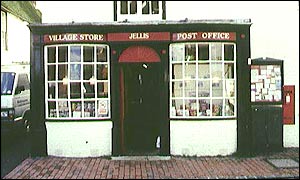 Rural post offices are suffering slower business The National Federation of Subpostmasters (NFSP) has welcomed the government's �450m investment in rural post offices. But Peter Walsh, subpostmaster from Southend and editor of the Subpostmaster newsletter, told BBC News Online that postmasters themselves are unlikely to see any financial benefit. Mr Walsh said cutting the number of rural post offices is the only long term solution. The government's package, unveiled on Monday, is intended to remove the burden of paying for the rural post office network from the struggling Royal Mail Group. The �450m investment will be spread over three years, and includes �66m each year to maintain salaries, �230m to fund existing services, and �25m to deliver new services. "It's tremendous that they're prepared to invest in the post office," said Mr Walsh. However, he added that the new money would merely match what Royal Mail currently spends. "The post office costs them (Royal Mail) �3m a week to run, which is about �150m a year. "It's a hugely expensive operation, and the government subsidy is likely to be swallowed up in costs. "Subpostmasters won't see any of the revenue." Pay cuts Mr Walsh argues that the absence of a pay rise is "another huge setback" for postmasters, who are seeing their revenues decline as postal services diminish.
Government plans to pay benefits and pensions directly into bank accounts from next April will stop claimants having to go to post offices to receive their cash, and could wipe out a third of rural post offices' income. And with postmasters' pay directly related to the amount of money the post office takes, any reduction in services is bad news. "Benefit payments represent a third of income, and with these people not coming in, we will lose a huge chunk of business," said Mr Walsh. He added that if customers are no longer coming in to collect benefits, usage of other post office services will decline in turn. 'Dark ages' The government is also proposing new plans to sustain post offices, introducing new banking services to local branches. Mr Walsh said: "Becoming the bank in the village... has got to be the way forward. "We've been living in the dark ages for too long." But he warned that ultimately, this would not be enough to keep all 8,000 rural post offices open. "We need to do more business at a decent rate of pay," he said. Current postmaster salaries consist of a basic sum topped up with a larger "traffic-related payment" - a commission on transactions. As rural post offices see fewer visitors, a number of them will struggle. Rural cuts Mr Walsh said "each office needs to be viable," and suggested the current 8,000-strong network may have to shrink. Already, around 3,000 post offices in cities and towns are closing to save costs - about one third of the urban post office network. And the consumer group, Postwatch, has also said the latest cash injection cannot prevent further closures. Mr Walsh predicts the rural network will be hit next. "They say the rural post office is the heart of the community. But more has to be done." | |
See also:  02 Dec 02 | Business 03 Oct 02 | UK 13 Aug 02 | England 11 Apr 02 | UK 18 Mar 02 | Business 31 Jan 02 | Scotland Top Business stories now: Links to more Business stories are at the foot of the page. | ||||||||||||||||||||||||||||||||||||||||||||||||||||||||||||||||||||||||||||||||||||||||||||||||||||||||||||||||||||||||||||||||||||||||||||||||||||||||||||||||||||||||||||
| |
|  E-mail this story to a friend E-mail this story to a friend |
| |
| Links to more Business stories |
| | | ||
 | ||||
 | | Back to top
| ||
| ---------------------------------------------------------------------------------- To BBC Sport>> | To BBC Weather>> | To BBC World Service>> ---------------------------------------------------------------------------------- © MMIII | News Sources | Privacy |






