
|
 |
 | | | | | | |||||||||||||||||||||||||||||||||||||||||||||||||||||||||||||||||||||||||||||||||||||||||||||||||||||||||||||||||||||||||||||||||||||||||||||||
| | | You are in: Business | |||||||||||||||||||||||||||||||||||||||||||||||||||||||||||||||||||||||||||||||||||||||||||||||||||||||||||||||||||||||||||||||||||||||||||||||||
|
| | Friday, 29 November, 2002, 10:35 GMT Bank rescue dents Japan's reforms 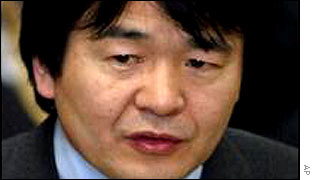 Takenaka's plans remain frustratingly incomplete Arai-Gumi, one of Japan's army of near-bankrupt construction companies, has been bailed out by its main creditor. The decision by Sumitomo Mitsui Bank muddied the water ahead of further details announced on Friday about the government's plan to deal with the banking sector's bad debts. The plan has already been watered down as the financial services and economy minister Heizo Takenaka has come under pressure from powerful lobby groups. The fear is that the lifeline of 65bn yen ($530m; �343m) in debt waivers thrown to Arai-Gumi demonstrates that radical reform of the banking sector is still a long way off. Hopes that Friday's statement would flesh out the frustratingly vague plan were dashed with news that the government would give itself six months or so to decide whether an injection of public funds is necessary. But the announcement did tighten up some of the rules about how the quantity of bad debt is assessed, forcing the banks to use a stricter discounted cash flow (DCF) model. The change moves the estimate of a debt's sustainability from historical performance vis-a-vis debt defaults to current and future cashflow. Heavy burden Admittedly, Sumitomo Mitsui - and Mitsubishi Tokyo - are the more secure of Japan's four big banks. Mizuho, the biggest bank in the world by assets, and UFJ, the smallest of the big four, are seen as having far worse problems. And UFJ is often tipped as a possible candidate for renationalisation. But all of the banks are burdened by non-performing loans, built up through sweetheart deals to associated companies through the boom years of the 1980s. Healthy profits announced last week do not change the fact that the debts - officially estimated at about 50 trillion yen, but unofficially feared to be three times that level - prevent new lending. Under water Interest rates of practically zero have kept deeply indebted companies like Arai-Gumi afloat, despite the fact that their collateral, in the shape of real estate and shares, has plummeted in value over the past decade and a half. Arai-Gumi has six straight years of losses to contend with, thanks in part to cuts in the public works programmes used by the government in the early 1990s to try to refloat the failing economy. Some economists believe that only by letting more companies in Arai-Gumi's position go bust - pushing more people out of work at a time of record unemployment - will the bad debt problem be solved. | |
See also:  28 Nov 02 | Business 25 Nov 02 | Business 20 Nov 02 | Business 14 Nov 02 | Business 01 Nov 02 | Business 31 Oct 02 | Business 30 Oct 02 | Business 02 Oct 02 | Business Internet links: The BBC is not responsible for the content of external internet sites Top Business stories now: Links to more Business stories are at the foot of the page. | |||||||||||||||||||||||||||||||||||||||||||||||||||||||||||||||||||||||||||||||||||||||||||||||||||||||||||||||||||||||||||||||||||||||||||||||
| |
|  E-mail this story to a friend E-mail this story to a friend |
| |
| Links to more Business stories |
| | | ||
 | ||||
 | | Back to top
| ||
| ---------------------------------------------------------------------------------- To BBC Sport>> | To BBC Weather>> | To BBC World Service>> ---------------------------------------------------------------------------------- © MMIII | News Sources | Privacy |





