|
 |
 | | | | | | |||||||||||||||||||||||||||||||||||||||||||||||||||||||||||||||||||||||||||||||||||||||||||||||||||||||||||||||||||||||||||||||||||||||||||||||||||||||||||||||||||||||||||||||||||||
| | | You are in: Business | |||||||||||||||||||||||||||||||||||||||||||||||||||||||||||||||||||||||||||||||||||||||||||||||||||||||||||||||||||||||||||||||||||||||||||||||||||||||||||||||||||||||||||||||||||||||
|
| | Wednesday, 13 November, 2002, 13:11 GMT Africa's oil star strives to shine 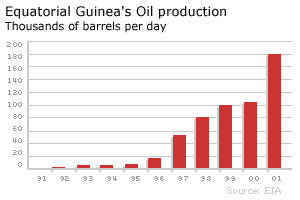
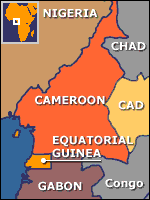
The tiny West African nation of Equatorial Guinea, home to just 500,000 people, is Africa's economic star. With a staggering growth rate of about 65% last year, it boasts the fastest expanding economy in Africa - and probably in the world.
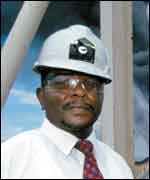
The reason for its sudden rise to fame is the oil reserves which remained largely untapped until the mid-1990s. Oil production has increased more than tenfold since 1996, and output is expected to rise to a daily average of more than 200,000 barrels this year. Alleviating poverty "It's a very good challenge, to grow our country, to allow a better standard of living, to give our citizens housing and hospitals," the country's energy minister, Cristobal Manana Ela told BBC News Online. "If you come to Equatorial Guinea you can see a lot of projects going on, building roads, hospitals, schools, electricity generation,"
One reason for this is that many of the contracts are structured so that oil firms take an early share of the profits to help them recoup their heavy investments in exploration and extraction. But the government's share of the oil revenues is increasing steadily. And Mr Manana Ela insists that development projects are now being implemented around the whole country, not just in the oil-rich areas. Corruption concerns While Equatorial Guinea boasts one of the most impressive economies in the world, it is not on good terms with the International Monetary Fund (IMF) and the World Bank. In a tersely worded statement, the IMF has recommended better fiscal discipline and improved transparency. The fund has also said the country should conduct independent external audits of the oil sector and fully disclose details of government bank accounts abroad. There are also concerns that the nation has become far too dependent on oil, leaving it vulnerable to price swings. Limited riches During the 1980s, the economy remained largely agricultural, with cocoa, coffee and timber the main employers and source of foreign currency. Now, more than 90% of exports are generated by the oil sector. "The government is already implementing a project in order to sustain the economy after oil ends," Mr Manana Ela said, adding that the country's agricultural sector will be in a strong position when the oil runs out. IMF return? The oil boom is expected to last for at least another 10 years. And that leaves the government plenty more time to convince sceptics that its oil wealth is indeed being put to good use. Equatorial Guinea's prime minister has said that IMF representatives will be invited back into the country after elections in December. That will give the government the chance to prove that Africa's fastest growing economy is not about to turn into another fallen star. | |
See also:  16 Nov 01 | Africa 29 Jun 02 | Country profiles 04 Apr 02 | Business 03 Apr 02 | Business Top Business stories now: Links to more Business stories are at the foot of the page. | |||||||||||||||||||||||||||||||||||||||||||||||||||||||||||||||||||||||||||||||||||||||||||||||||||||||||||||||||||||||||||||||||||||||||||||||||||||||||||||||||||||||||||||||||||||
| |
|  E-mail this story to a friend E-mail this story to a friend |
| |
| Links to more Business stories |
| | | ||
 | ||||
 | | Back to top
| ||
| ---------------------------------------------------------------------------------- To BBC Sport>> | To BBC Weather>> | To BBC World Service>> ---------------------------------------------------------------------------------- © MMIII | News Sources | Privacy |