
|
 |
 | | | | | | ||||||||||||||||||||||||||||||||||||||||||||||||||||||||||||||||||||||||||||||||||||||||||||||||||||||||||||||||||||||||||||||||||||||||||||||||||||||||||||||||||||||||||
| | | You are in: Business | ||||||||||||||||||||||||||||||||||||||||||||||||||||||||||||||||||||||||||||||||||||||||||||||||||||||||||||||||||||||||||||||||||||||||||||||||||||||||||||||||||||||||||||
|
| | Thursday, 7 November, 2002, 12:46 GMT Europe leaves rates unchanged 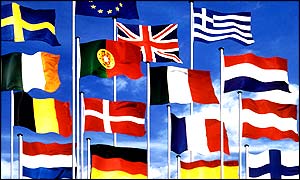 The ECB is traditionally resistant to outside pressures The European Central Bank (ECB) has left its main interest rate steady at 3.25%, despite intense pressure for a cut that could spark an economic recovery. The ECB has resolutely left rates unchanged for a year, mainly because it remains concerned that European inflation could reignite. Wednesday's hefty rate cut by the US Federal Reserve did not persuade the ECB governing committee to budge. But many analysts predict that the ECB will reduce its rates eventually, although possibly not until early in the New Year. The European economy has performed sluggishly, and the Fed cut has now opened up a yawning two-percentage-point gap between US and ECB rates. Independence The ECB has proved remarkably resistant to outside pressure in the past couple of years, and is especially reluctant to be seen engaging in knee-jerk reactions to outside stimuli. ECB president Wim Duisenberg describes risks to eurozone price stability as balanced, and bank-watchers detect no change in his hard line tone. Other senior monetary policy makers, including Bundesbank president Ernst Welteke, have suggested there is no reason to cut rates. The Bank of England's monetary policy committee (MPC) has left UK interest rates on hold at 4%, despite growing pressure for a cut. Inflation watch The main reason why calls for a rate cut have been mounting is the worsening European economic outlook. Forecasts for eurozone growth are already being scaled back, with the consensus now at less than 2% next year. At the same time, higher oil prices, the slowing US economy and the fall-out from the recent dismal stock market performance are all still likely to have an impact. Weak growth might translate into dampened inflation - the key factor that could persuade the ECB to eventually reduce its rates. For the moment, eurozone inflation remains above the 2% upper limit of the ECB's definition of price stability, its overriding goal. | |
See also:  07 Nov 02 | Business 06 Nov 02 | Business 06 Nov 02 | Business 30 Oct 02 | Business 08 Aug 02 | Business 12 Sep 02 | Business 01 Aug 02 | Business 12 Jul 02 | Business 04 Jul 02 | Business 02 Jul 02 | Business 30 Jun 02 | Business Internet links: The BBC is not responsible for the content of external internet sites Top Business stories now: Links to more Business stories are at the foot of the page. | ||||||||||||||||||||||||||||||||||||||||||||||||||||||||||||||||||||||||||||||||||||||||||||||||||||||||||||||||||||||||||||||||||||||||||||||||||||||||||||||||||||||||||
| |
|  E-mail this story to a friend E-mail this story to a friend |
| |
| Links to more Business stories |
| | | ||
 | ||||
 | | Back to top
| ||
| ---------------------------------------------------------------------------------- To BBC Sport>> | To BBC Weather>> | To BBC World Service>> ---------------------------------------------------------------------------------- © MMIII | News Sources | Privacy |






