
|
 |
 | | | | | | ||||||||||||||||||||||||||||||||||||||||||||||||||||||||||||||||||||||||||||||||||||||||||||||||||||||||||||||||||||||||||||||||||||||||||||
| | | You are in: Business | ||||||||||||||||||||||||||||||||||||||||||||||||||||||||||||||||||||||||||||||||||||||||||||||||||||||||||||||||||||||||||||||||||||||||||||||
|
| | Monday, 4 November, 2002, 11:59 GMT Reward cards fail to earn shopper loyalty 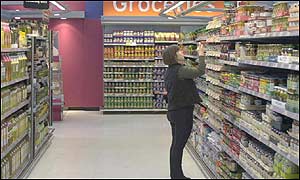 Most shoppers do not feel loyal to a particular brand Britain's consumers and businesses are afflicted by apathy and disillusionment, according to two recent surveys. UK consumers stick with their banks and supermarkets through sheer "apathy or inertia" rather than any sense of loyalty, accountancy firm KPMG said in a new piece of research. The firm found that financial and retail sectors were facing levels of customer loyalty which "could hardly get any lower", making it hard to hang on to customers.
The Orange survey suggested 30% of small business owners set up their companies because they were disillusioned with the culture of large firms. Unfaithful The KPMG survey suggested financial and retail sectors were suffering the lowest levels of "fidelity" from customers. Only 16% of homeowners questioned said they expected to remain with the same mortgage lender when they moved house, with 6% saying it would be a sense of loyalty that stopped them switching. And only 2% of shoppers said their supermarket loyalty card would make them shop with the same chain. "In tough market conditions, customer loyalty is vital," said KPMG partner Simon Walker. "But... financial and retail organisations could find it harder than ever to hang on to their customers." Moving on KPMG asked adults over the age of 18 to identify the commercial groups with which they felt they had the most personal relationships. Current account providers and supermarkets enjoyed the healthiest rapports, with 32% and 29% respectively of those questioned putting them first. However, supermarket loyalty was little affected by reward cards. Almost 30% of those questioned said they would prefer lower prices to collecting points on their reward card. "Financial and retail organisations need to keep on finding new ways of convincing customers to stay with them," Mr Walker said. Going it alone It is not just consumers who are 'playing away' and refusing to stick with one company. The Orange survey for Real Business magazine suggested that people shunning corporate life to start their own business were getting younger and younger. An "early workplace menopause" is hitting 20 and 30-somethings, the survey said, with 59% of new businesses now being run by 20-34 year olds. Disillusionment with corporate culture and a desire for independence were cited as the main reasons for the shift, along with the long hunt for that elusive work-life balance. | | See also:  30 Oct 02 | Business 24 Oct 02 | Business 14 Aug 02 | Business 01 Jan 02 | Business Internet links: The BBC is not responsible for the content of external internet sites Top Business stories now: Links to more Business stories are at the foot of the page. | ||||||||||||||||||||||||||||||||||||||||||||||||||||||||||||||||||||||||||||||||||||||||||||||||||||||||||||||||||||||||||||||||||||||||||||
| |
|  E-mail this story to a friend E-mail this story to a friend |
| |
| Links to more Business stories |
| | | ||
 | ||||
 | | Back to top
| ||
| ---------------------------------------------------------------------------------- To BBC Sport>> | To BBC Weather>> | To BBC World Service>> ---------------------------------------------------------------------------------- © MMIII | News Sources | Privacy |





