
|
 |
 | | | | | | |||||||||||||||||||||||||||||||||||||||||||||||||||||||||||||||||||||||||||||||||||||||||||||||||||||||||||||||||||||||||||||||||||||||||||||||||||||||||||||||||||||||||||||||||||||||||||||||||||
| | | You are in: Business | |||||||||||||||||||||||||||||||||||||||||||||||||||||||||||||||||||||||||||||||||||||||||||||||||||||||||||||||||||||||||||||||||||||||||||||||||||||||||||||||||||||||||||||||||||||||||||||||||||||
|
| | Wednesday, 30 October, 2002, 21:06 GMT Retail fighter considers next move 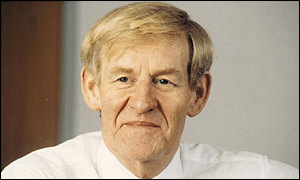 Sir Geoff is a workaholic
"Demanding but delightful" is how one close colleague describes Sir Geoff Mulcahy. "Frustrating but fascinating," says another. Now, after 20 years of inspiring and battling with colleagues, pleasing and angering shareholders, Sir Geoff has announced he is stepping down this Friday as chief executive of the retail giant Kingfisher. "It's been a fantastic 20 years and I think the company is in good shape," he told BBC News Online.
There are suggestions - denied, of course - that he is being forced to go immediately because of a strained relationship with the group's chairman Francis Mackay. The new chief executive - Carlton's Gerry Murphy - is not due to take over until February and Sir Geoff's official retirement date is April, but there will be no handover period. His immediate concern must be what to do with a retirement that has come sooner than expected. An eye on the future Sir Geoff has devoted half his working life to Kingfisher and has always put in punishing hours.
He is at his desk by 7am, goes from the office to business functions most evenings and is often known to return at 11 at night to read his e-mails. He also works at weekends. "Of course I'm sad to be going because it's been a big part of my life," he says. As for what he will do now: "I will think about things over the next few week," is all he offers. He refuses to say if he will look for another position, but it is hard to imagine him turning his back on business. Sweet and sour Sir Geoff's departure comes at the end of a difficult time for him and the company. He knows what it is like to go from being a darling to a demon in the eyes of the City. He joined what later became Kingfisher in 1982 when it consisted of a loss-making Woolworths and a tiny B&Q chain. There were plaudits as the company grew, but then his job was threatened after a profits warning caused by problems at B&Q and Comet. He won through again by turning the company round, restoring its share price and doing a series of deals. But things went sour again when his stake in the French Castorama chain proved to be a drag on the group and he dithered over whether to sell or float the Woolworths chain. Winning is everything Woolworths was eventually floated, Superdrug was sold and Kingfisher is now concentrating on being a big European DIY and electrical retailer.
The Englishman seems to have relished the fight. "I enjoyed winning it - not just because it was a battle but because I thought it was the right thing for the business," he says. "I think every organisation enjoys winning. "The one English expression that I do not agree with is: 'It is better to have taken part than to win.' I firmly believe in winning and I think it gives the organisation a buzz to win," he adds. Difficult times And what of Sir Geoff's reputation as a difficult man to work with?
He says it is a question that only other people can answer. But he talks about a successful organisation setting goals, being very focused, being very ambitious and very target-orientated and making sure it achieves its objectives - and you know he is talking about himself. "I'd say the business objective has been demanding, some people like it & some people don't," he says. As for the criticism he and Kingfisher have suffered: "I think we've been through a difficult period over the past couple of years as we've been transforming the business." Reasons to be proud Sir Geoff insists he is passing on a company in good health. And, unlike some chief executives who have battled with the City, he refuses to criticise shareholders. "Shareholders have rightly become more demanding over the years," he says. But he is quick to point out that in his 20 years with Kingfisher it has provided shareholders with the best return of any of the major retailers. It has gone from the Woolworths business with a market capitalisation of �100m to become a leading DIY player in Europe with a value of �5bn. "I think the people who've worked in the business over the years have got a lot to be proud of." | |
See also:  30 Oct 02 | Business 18 Sep 02 | Business 18 Sep 02 | Business 15 Sep 02 | Business Top Business stories now: Links to more Business stories are at the foot of the page. | |||||||||||||||||||||||||||||||||||||||||||||||||||||||||||||||||||||||||||||||||||||||||||||||||||||||||||||||||||||||||||||||||||||||||||||||||||||||||||||||||||||||||||||||||||||||||||||||||||
| |
|  E-mail this story to a friend E-mail this story to a friend |
| |
| Links to more Business stories |
| | | ||
 | ||||
 | | Back to top
| ||
| ---------------------------------------------------------------------------------- To BBC Sport>> | To BBC Weather>> | To BBC World Service>> ---------------------------------------------------------------------------------- © MMIII | News Sources | Privacy |






