
|
 |
 | | | | | | ||||||||||||||||||||||||||||||||||||||||||||||||||||||||||||||||||||||||||||||||||||||||||||||||||||||||||||||||||||||||||||||||||||||||||||||||||||||||||||||||||||||||||||||||||||||||||||||||||||
| | | You are in: Business | ||||||||||||||||||||||||||||||||||||||||||||||||||||||||||||||||||||||||||||||||||||||||||||||||||||||||||||||||||||||||||||||||||||||||||||||||||||||||||||||||||||||||||||||||||||||||||||||||||||||
|
| | Wednesday, 16 October, 2002, 01:20 GMT 02:20 UK Muslims tackle mortgage hurdles 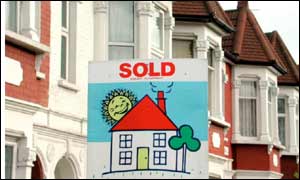 Islamic law forbids borrowing or lending at interest A new initiative to allow thousands of British Muslims to get mortgages without breaking Islamic law is to be proposed to the Treasury. There are about 3m Muslims in the UK, but many are avoiding buying homes. That is because it is against Islamic law - Sharia - to borrow or lend at a rate of interest. Mainstream banks have realised there is now a big market for mortgages which comply with Islam, and are keen to tap into that.
With Islamic mortgages, instead of lending money, the bank buys the home on the customer's behalf. Instead of paying interest, the customer pays the price of the house in monthly instalments, plus a "rent". State aid out Eventually the customer has repaid enough to buy out the bank's share of the home, and ownership passes to the customer. The trouble with that is that ownership of the property changes hands twice - first from the seller to the bank, then from the bank to the customer.
That means two sets of stamp duty, so it is uneconomic for most Muslims. Bankers are hoping the Treasury will agree to lift the double stamp duty, so Islamic mortgages are affordable. Other problems are that such loans are also considered to be more risky than traditional mortgages, meaning lenders have to hold more capital to off-set this, which again adds to the cost. People cannot qualify for right to buy or home-ownership incentive schemes if they use one of the mortgages as the financier is treated as the buyer. They also cannot claim state aid towards mortgage payments if they are unable to work, because this is based on interest repayments. 'Complex and expensive' An independent working party was set under the auspices of the Bank of England to look into these issues and find a way to make it easier for lenders to offer the mortgages. It will outline its ideas to the Treasury on Wednesday. Andrew Buxton, chairman of the working group, said: "We know that there is pent-up demand in the UK for mortgage finance structured in accordance with Islamic principles. "But the current hurdles make it more complex and expensive than it needs to be." Council of Mortgage Lenders director general Michael Coogan said: "Regulatory changes would make it easier and cheaper for Muslims in the UK to get mortgage products which do not conflict with their beliefs. "This would in turn help make home-ownership more accessible for the UK's most significant religious minority." | |
See also:  02 Oct 02 | Business 18 Feb 02 | Business 27 Nov 01 | England 27 Mar 00 | Business Internet links: The BBC is not responsible for the content of external internet sites Top Business stories now: Links to more Business stories are at the foot of the page. | ||||||||||||||||||||||||||||||||||||||||||||||||||||||||||||||||||||||||||||||||||||||||||||||||||||||||||||||||||||||||||||||||||||||||||||||||||||||||||||||||||||||||||||||||||||||||||||||||||||
| |
|  E-mail this story to a friend E-mail this story to a friend |
| |
| Links to more Business stories |
| | | ||
 | ||||
 | | Back to top
| ||
| ---------------------------------------------------------------------------------- To BBC Sport>> | To BBC Weather>> | To BBC World Service>> ---------------------------------------------------------------------------------- © MMIII | News Sources | Privacy |






