|
 |
 | | | | | | |||||||||||||||||||||||||||||||||||||||||||||||||||||||||||||||||||||||||||||||||||||||||||||||||||||||||||||||||||||||||||||||||||||||||||||||||||||||||||
| | | You are in: Business | |||||||||||||||||||||||||||||||||||||||||||||||||||||||||||||||||||||||||||||||||||||||||||||||||||||||||||||||||||||||||||||||||||||||||||||||||||||||||||||
|
| | Tuesday, 5 November, 2002, 08:25 GMT Selling Finland to the world 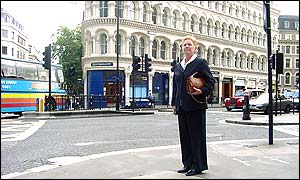 Ms Aura: "The cost level in Finland is very reasonable"
Her relentless travels in Europe have one sole purpose: to convince international industrialists and financiers that Finland is an ideal country to invest in.
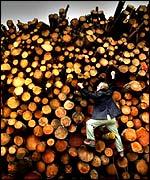
Because "Finland is the most competitive country in the world", the chief executive of Invest in Finland tells BBC News Online. "We have always been a very technology-minded people," she insists. Really? We all know that the mobile phone group Nokia is Finnish, and we have been told that nowhere else has a larger proportion of the population owning mobile phones. But surely these are recent phenomena? Lumberjack heritage Until a decade ago, Finland's dependency on its forestry industry was stifling. This is not exactly testimony to a history of hi-tech thinking, one would think.
Ms Aura, however, is unamused by such ignorance. "Think about paper and pulp, where Finland has been a global leader for hundreds of years," she declares. "A paper machine has more high technology than a Jumbo jet." So are we merely entering into a debate about lumberjacks versus aircraft engineers? Oh no. It is not that simple. Remote opportunity Modern forestry technology is closely interlinked with the information technology sector, the telecoms sector and leading edge engineering industries.
Mr Aura says: "One sawmill which was built in Finland by an Austrian company is managed in Austria. "Only the mill is in Finland, and there is a guy who is sitting there. "Of course, there are 30 people in the saw mill, but they are monitoring the process in Austria." Such opportunities for remote monitoring of investments are touted as distinct advantages by Ms Aura. For, regardless of which industry foreigners invest in, they will not have to worry about moving along with their money to this often cold and desolate country. "They are not moving to Finland, not necessarily," says Ms Aura. "There is only the controller from the company, and he or she is just there for two or three years. "That is the business world, where the controller is from the parent company and everybody else is native." The good life That is not to say living in Finland is unpleasant.
People moving there will enjoy four seasons - Nordic people insist the UK only has two, a short summer and a long autumn - and there is plenty of fresh air, space and beautiful nature. Trains are clean and run on time, you can pay for everything - including parking - with your debit card or your Wap phone, and Finland's infrastructure works. People often live close to where they work so commuting times are short, and Finland is regarded as a safe country so children can walk to school. In fact, surveys carried out by Invest in Finland have shown that those who have decided to move to the Nordic country are very happy indeed, Ms Aura says. Rational business There are also strong business reasons for investing in Finland, Ms Aura stresses.
For starters, the government will invest up to two euros for every three euros invested by a foreign company. And Finland's 29% corporate and capital gains tax compares favourably with the rest of the European Union. Beyond such incentives, both business premises and the country's highly educated and multilingual labour force are relatively cheap. "The cost level in Finland is very reasonable," says Ms Aura. Reaching markets Finland is also an ideal base from which to reach the massive Russian market which "we have been taking care of for hundreds of years", adds Ms Aura. The Baltic states are another case in point. The Scandinavian countries can also be targeted from Finland which has two official languages: Finnish and Swedish. Ms Aura says targeting these markets would give a firm access to 80 million customers. Increasing the cash flow So far, 2,300 foreign companies have invested in Finland. They produce 16% of the country's output. Ms Aura wants to raise that to 30%, on par with neighbouring Sweden. To achieve this, she wants more foreign firms to buy Finish firms. "Seventy per cent of the companies that come to Finland come through acquisitions," Ms Sirkka said. "They buy a Finnish company." | | See also:  26 Sep 02 | Country profiles 08 Jul 02 | Europe 24 Dec 01 | Business 17 Oct 01 | Business Internet links: The BBC is not responsible for the content of external internet sites Top Business stories now: Links to more Business stories are at the foot of the page. | |||||||||||||||||||||||||||||||||||||||||||||||||||||||||||||||||||||||||||||||||||||||||||||||||||||||||||||||||||||||||||||||||||||||||||||||||||||||||||
| |
|  E-mail this story to a friend E-mail this story to a friend |
| |
| Links to more Business stories |
| | | ||
 | ||||
 | | Back to top
| ||
| ---------------------------------------------------------------------------------- To BBC Sport>> | To BBC Weather>> | To BBC World Service>> ---------------------------------------------------------------------------------- © MMIII | News Sources | Privacy |