
|
 |
 | | | | | | ||||||||||||||||||||||||||||||||||||||||||||||||||||||||||||||||||||||||||||||||||||||||||||||||||||||||||||||||||||||||||||||||||||||||||||||||||||||||||||||||||||
| | | You are in: Business | ||||||||||||||||||||||||||||||||||||||||||||||||||||||||||||||||||||||||||||||||||||||||||||||||||||||||||||||||||||||||||||||||||||||||||||||||||||||||||||||||||||||
|
| | Friday, 11 October, 2002, 10:38 GMT 11:38 UK Palestinian olive crop hit by unrest 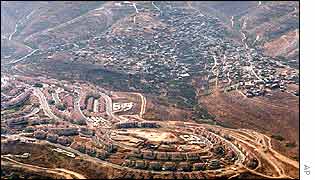 Olive groves have been bulldozed by the Israeli army
Figures released by the Palestinian Central Bureau of Statistics (PCBS) show that the amount of olives pressed in the Gaza Strip and West Bank fell from 126,147 tons to 22,155 tons. October is the start of the olive picking season, but while this years' crop is large, output is expected to be low again as Palestinians are reluctant to harvest the fruit. "Thousands of olive trees have been wiped out by the Israelis," Professor Hasan Abu-Libdeh, head of the PCBS told BBC News Online. "Also, olives could not be harvested because the groves were declared security zones by the Israelis and farmers were being shot at by Jewish settlers," he said. Bitter harvest The latest incident occurred last Sunday in the West Bank when a Jewish settler shot dead a Palestinian and wounded another while they were harvesting olives near the village of Aqraba. Mr Abu-Libdeh said seasonal factors also kept the harvest down, as the olive trees bear their major crop every two years, but that this only accounts for a portion of last years' fall. In September, the United Nations Conference on Trade and Development (UNCTAD) annual report on the occupied territories said that their economy was experiencing "de-development". The Palestinian economy is regularly disrupted by roadblocks, curfews, bulldozing of homes and farms, destruction of wells and confiscation of land to build new Jewish settlements, in violation of international law. UNCTAD found that since October 2000, when the new intifada began, gross domestic product had fallen by more than half, unemployment had tripled and more than two-thirds of households were living below the poverty line. Bulldozer policy Olive groves along most of the road networks have been declared security zones, preventing farmers from tending their crops. Groves within 200 metres of the roads have been bulldozed in many areas to prevent them being used as cover by Palestinian soldiers. The PCBS statistics also show the number of operational olive presses fell by 20% in 2001 to 194, less than half the number of ten years ago. "Some of these presses are located in areas difficult to reach and some owners were not able to maintain them because of import restrictions," Mr Abu-Libdeh said. "This year we expect the number of presses to increase, because of the bigger crop and also better preparation for the season," he added. While olives are not a major export earner for the Palestinian Authority, it is considered a strategic crop because of the widespread use for food. | |
See also:  12 Sep 02 | Business 27 Aug 02 | Business 17 Jul 02 | Business Internet links: The BBC is not responsible for the content of external internet sites Top Business stories now: Links to more Business stories are at the foot of the page. | ||||||||||||||||||||||||||||||||||||||||||||||||||||||||||||||||||||||||||||||||||||||||||||||||||||||||||||||||||||||||||||||||||||||||||||||||||||||||||||||||||||
| |
|  E-mail this story to a friend E-mail this story to a friend |
| |
| Links to more Business stories |
| | | ||
 | ||||
 | | Back to top
| ||
| ---------------------------------------------------------------------------------- To BBC Sport>> | To BBC Weather>> | To BBC World Service>> ---------------------------------------------------------------------------------- © MMIII | News Sources | Privacy |






