|
 |
 | | | | | | |||||||||||||||||||||||||||||||||||||||||||||||||||||||||||||||||||||||||||||||||||||||||||||||||||||||||||||||||||||||||||||||||||||||||||||||||||||
| | | You are in: Business | |||||||||||||||||||||||||||||||||||||||||||||||||||||||||||||||||||||||||||||||||||||||||||||||||||||||||||||||||||||||||||||||||||||||||||||||||||||||
|
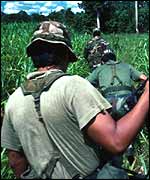
| | Friday, 4 October, 2002, 08:10 GMT 09:10 UK US uses tax weapon in anti-drugs war 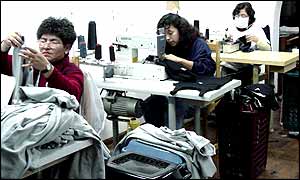 Peruvian cotton is among the best in the world
From this week, Bolivia, Colombia and Peru will pay much lower duties when exporting to the US products including cotton, asparagus and tuna.
Based in the suburbs of Peru's capital, Lima, his factory uses locally grown cotton, and sells within Peru. "Companies that are already exporting clothes abroad will start to export 100% of their products, allowing smaller businesses to serve the local market more easily," Mr Lerner explains. Peru's cotton is regarded as among the world's finest. But Mr Lerner and his colleagues have found it hard to compete with cheap Asian exports. He is now hoping that the reduction in duties on Peruvian textiles will make them more competitive. Small fry, big ambitions The president of Peru's Commission to the Free Trade Area of the America's, Samuel Gleiser, says the Andean region will now be allowed to provide 2% of US garment imports. With America importing 18 billion square metres of cloth a year, the duty concession represents a significant boost for smaller businesses, he says. "It means we could export $3,600m compared to just $400m last year. "The possibility of us getting a big chunk of the US market, for us, in our position as small fry producers, is quite large." Some observers say Peru's cotton production could increase fivefold in the coming years. US demands But the tax move does not represent an unrequited gift. It is an important tool in the US war against drug trafficking in the Americas.
The slump in coffee prices has encouraged many farmers to switch to growing coca - the raw material used to make cocaine. Officially, Peru has around 34,000 hectares of coca under cultivation, although in reality the figure is probably much higher. Peru's drugs tsar, Nils Ericsson, hopes the new tax breaks will make it more profitable to grow cotton and other approved crops. If Peru fails to destroy enough coca, it could, in theory, have the tax benefits taken away. Quick action needed But Mr Ericsson is confident Peru will meet the requirements. About 3,500-7,000 hectares of coca needs to be destroyed, he says. "We hope to reach 7,000 hectares or maybe more by the end of December." That's all very well, but the benefits of the Andean Trade Preference Drug Eradication Act probably will not be felt for at least three years. By then, the much broader Free Trade Area of the Americas should have come into effect, giving the rest of the Americas similar benefits. That means that textile companies such as Mr Lerner's will have to act quickly if they want to make the most of a temporary competitive advantage. | | See also:  18 Sep 02 | Americas 27 Jul 02 | Country profiles 11 Jun 02 | Americas 23 Mar 01 | Americas Top Business stories now: Links to more Business stories are at the foot of the page. | |||||||||||||||||||||||||||||||||||||||||||||||||||||||||||||||||||||||||||||||||||||||||||||||||||||||||||||||||||||||||||||||||||||||||||||||||||||
| |
|  E-mail this story to a friend E-mail this story to a friend |
| |
| Links to more Business stories |
| | | ||
 | ||||
 | | Back to top
| ||
| ---------------------------------------------------------------------------------- To BBC Sport>> | To BBC Weather>> | To BBC World Service>> ---------------------------------------------------------------------------------- © MMIII | News Sources | Privacy |