
|
 |
 | | | | | | ||||||||||||||||||||||||||||||||||||||||||||||||||||||||||||||||||||||||||||||||||||||||||||||||||||||||||||||||||||||||||||||||||||||||||||||
| | | You are in: Business | ||||||||||||||||||||||||||||||||||||||||||||||||||||||||||||||||||||||||||||||||||||||||||||||||||||||||||||||||||||||||||||||||||||||||||||||||
|
| | Wednesday, 2 October, 2002, 10:08 GMT 11:08 UK Housing boom boosts state coffers 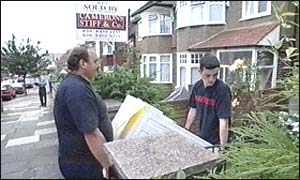 Moving house: Stamp duty costs have increased since 1997 The government pocketed a record �2.7bn in stamp duty from homebuyers last year, official figures have revealed.
People buying properties in these areas handed over more than �1.5bn to the Treasury. The government has increased stamp duty four times since it took office in 1997. Stamp duty hikes In the year before Labour came into power, revenue from stamp duty on residential property purchases was only �675m, with �315m generated from sales in the South East. Increasing stamp duty, which must be paid on the purchase of homes worth more than �60,000, has been one of Labour's most controversial taxes. There has been a 400% increase in the top rate since 1997. Duty on a house worth more than �500,000 is now 4%, compared with 1% before May 1997. The Council of Mortgage Lenders has been one critic of the government's stamp duty policy. Earlier this year it accused the government of penalising first-time buyers by failing to raise stamp duty thresholds in line with the high house price rises.
But the government's stamp duty bonanza may be poised to end as the housing market cools, some observers said. Chas Roy-Chowdhury of the Association of Chartered Certified Accountants (ACCA), said: "It's been a cash-cow for the government. But indications are that the house prices are about to hit a brick wall. "It will be interesting to see how the chancellor makes up the shortfall once there's a slowdown in the market, particularly with greater pressure on public finances following the stock market downturn." | | See also:  09 Jul 02 | Politics 09 Apr 02 | Business 21 Mar 00 | Budget2000 Top Business stories now: Links to more Business stories are at the foot of the page. | ||||||||||||||||||||||||||||||||||||||||||||||||||||||||||||||||||||||||||||||||||||||||||||||||||||||||||||||||||||||||||||||||||||||||||||||
| |
|  E-mail this story to a friend E-mail this story to a friend |
| |
| Links to more Business stories |
| | | ||
 | ||||
 | | Back to top
| ||
| ---------------------------------------------------------------------------------- To BBC Sport>> | To BBC Weather>> | To BBC World Service>> ---------------------------------------------------------------------------------- © MMIII | News Sources | Privacy |



