|
 |
 | | | | | | |||||||||||||||||||||||||||||||||||||||||||||||||||||||||||||||||||||||||||||||||||||||||||||||||||||||||||||||||||||||||||||||||||||||||||||||||||||||||||||||||||||||||||||||||||||||
| | | You are in: Business | |||||||||||||||||||||||||||||||||||||||||||||||||||||||||||||||||||||||||||||||||||||||||||||||||||||||||||||||||||||||||||||||||||||||||||||||||||||||||||||||||||||||||||||||||||||||||
|
| | Tuesday, 1 October, 2002, 11:22 GMT 12:22 UK Labour strife disrupts Pacific trade 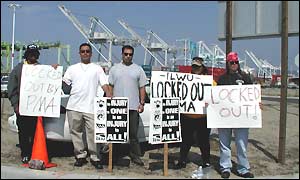 The lock-out costs the US economy up to $1bn a day
"We don't want a shut out, we want a contract" is the chant from dock workers at the Port of Oakland as they protest against being locked out of their jobs by their employers.
Oakland is just one of 29 west coast ports that has been closed down by a labour dispute over the terms of a new contract. The Pacific Maritime Association (PMA) forced workers off the job on Sunday after accusing them of an orchestrated slowdown that sometimes ground shipping to a halt. 'A meltdown in ports' The PMA, which represents shipping lines and terminal operators, claimed that production was cut by over 50% at the weekend as a result of the union's action.
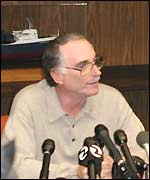
Joseph Miniace, president and chief executive of the PMA, says: "What we saw was a fulfilment of a union promise and that was a meltdown in west coast ports." But the International Longshore and Warehouse Union (ILWU), representing 10,500 members, vehemently denies any "backdoor action" and counters that the slowdown was for safety reasons. At a press conference at the ILWU's headquarters in San Francisco, union president Jim Spinoza went on the offensive and told the media his union was not in the wrong here. "We didn�t lock anyone out. We are ready to go to work. We want to deliver the cargo on time. We are ready to do that. "It's the employers that have got us locked out. We are not on strike here. We have not sanctioned a strike. We are not calling for a strike." Olive branch At Oakland that sentiment is reiterated. The placards that union members have put together proclaim that they have been locked out. But despite the obvious anger, the atmosphere on the picket lines is relaxed and low key with just a handful of union members taking it in shifts to man the various posts. Many told BBC News Online that they wanted to demonstrate how they felt without being too heavy handed. Richard Mead, who is the President of ILWU Local 10, says his members feel let down by the PMA. "A lot of them are hurt. "Some of them have been on the job with the same employer for 30 years and for that employer to lock them out, has hurt them to the core." Back in San Francisco the PMA offered something of an olive branch by saying it was willing to let people come back to work if they agreed to an extension of their contract for the time it would take to hammer out a new one. Tom Edwards of the PMA says: "All we're asking is that the union resumes normal operations, as they have been doing when the contract first expired and that we get back to the negotiating table and get an agreement." Stalled negotiations The union says it will not budge until the ports are reopened. ILWU vice-president, Bob Mcellrath says: "We are frustrated and upset by the PMA but we realise that gains are hard fought."
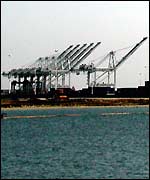
The backdrop to what some say is an unprecedented lock-out in the industry is five months of negotiations which stalled recently. The major bone of contention for both sides is the implementation of new technology which the union says will affect between 1,200 and 1,500 of its members. In west coast ports, every single container is still logged by hand, papers are then moved to head office and manually input into computers. Another issue is working practices. Jobs are doled out to workers by the union, so longshoreman work for many different freight firms and owe their loyalty not to the company they are working for on the day. The union for its part maintains that extending the old contract removes any incentive for the PMA to come to terms on technological and economic issues. President Bush takes notice At Oakland, which is one of the country's biggest ports, cranes stand idle as millions of dollars worth of cargo piles up. Trucks wait nearby to pick up goods and deliver them to retailers around the country. More than $300bn worth of imports and exports flows through the west coast every year, ranging from industrial machinery and toys to computers and fruit and vegetables. For President George W Bush the economic fallout of any prolonged action is uppermost in his mind. Economists say the $1bn a day price tag of the dispute could seriously threaten an already weakened economy. And cargoes that are held up at ports would result in empty shelves in stores and malls and the halting of factory production lines across the US and Mexico. Stephen Cohen who is a regional planning professor at the University of California at Berkeley says: "The collateral damage is huge. We've never had anything like this. This affects the entire economy." Talks between the two sides are set to resume in San Francisco on Tuesday, with a federal mediator also taking part. | |
See also:  30 Sep 02 | Business Internet links: The BBC is not responsible for the content of external internet sites Top Business stories now: Links to more Business stories are at the foot of the page. | |||||||||||||||||||||||||||||||||||||||||||||||||||||||||||||||||||||||||||||||||||||||||||||||||||||||||||||||||||||||||||||||||||||||||||||||||||||||||||||||||||||||||||||||||||||||
| |
|  E-mail this story to a friend E-mail this story to a friend |
| |
| Links to more Business stories |
| | | ||
 | ||||
 | | Back to top
| ||
| ---------------------------------------------------------------------------------- To BBC Sport>> | To BBC Weather>> | To BBC World Service>> ---------------------------------------------------------------------------------- © MMIII | News Sources | Privacy |