|
 |
 | | | | | | ||||||||||||||||||||||||||||||||||||||||||||||||||||||||||||||||||||||||||||||||||||||||||||||||||||||||||||||||||||||||||||||||||||||||||||||||||||||||||||||||||||||||||||||||
| | | You are in: Business | ||||||||||||||||||||||||||||||||||||||||||||||||||||||||||||||||||||||||||||||||||||||||||||||||||||||||||||||||||||||||||||||||||||||||||||||||||||||||||||||||||||||||||||||||||
|
| | Friday, 27 September, 2002, 06:09 GMT 07:09 UK Japan PM to reshape cabinet 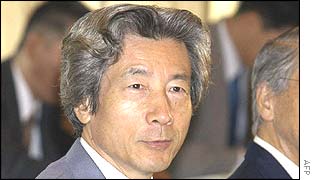 Mr Koizumi is drafting plans for massive tax cuts Prime Minister Junichiro Koizumi has confirmed he plans to reshuffle his cabinet on Monday and speculation is rife that he will clear out opponents of a bank rescue plan.
Prime Minister Koizumi's new cabinet will be focused on its leader's plans to stimulate the economy, probably with huge tax cuts, which he will draft by November. Unemployment and inflation figures issued on Friday underscored the depth of Japan's economic woes. Job fears cool spending About 50,000 Japanese lost their jobs in August, taking unemployment to 5.4%, official figures showed. Unemployment stood above 5% for the fourteenth month in a row and was hovering just below the 50-year record of 5.5% set in December 2001. Job insecurity has dampened Japanese shoppers' willingness to spend money, despite repeated government urging to stimulate the economy and near-zero interest rates. Prices in the shops have now been falling for three years. August inflation figures showed consumer prices dropped 0.9% compared with August 2001, registering the thirty-sixth consecutive month of declines and a steeper fall than July, when prices fell 0.8%. Clean slate, not blank cheque Finance Minister Masajuro Shiokawa said he will tell other G7 finance ministers that the Japanese government "should inject new public funds into the banks if necessary". But the banks would not receive a blank cheque to go on shoring up ailing firms who refuse to restructure. Mr Shiokawa said "the action must be on condition banks will divide corporate borrowers into good and bad." Meanwhile, the minister who heads the Financial Services Agency, Hakuo Yanagisawa, repeated his opposition to writing off the banks' bad debts with public funds. "We do not think that additional capital injections are necessary now," he said. His stance has made him a prime candidate to leave the cabinet on Monday, in the view of the Japanese press. Official estimates of the bad loans carried by Japan's banks run at 43.2 trillion yen ($353bn) but many economists believe the real figure is higher. A senior official at credit ratings agency Fitch has estimated that it will cost up to 50 trillion yen - or about 10% of Japan's GDP - to clear up the bad loans mess completely. Any government bank bailout would back up the central bank's plans to buy shares from the retail banking sector. The Bank of Japan has said it will buy shares from banks - who hold many shares from client firms in lieu of debt repayments - to support the stock market and help them clean up their balance sheets. The prime minister is drafting an economic stimulus plans which could include massive tax cuts in the hope of stimulating spending and hiring. | |
See also:  22 Sep 02 | Business 18 Sep 02 | Business 12 Sep 02 | Business 11 Sep 02 | Business 05 Mar 02 | Business Top Business stories now: Links to more Business stories are at the foot of the page. | ||||||||||||||||||||||||||||||||||||||||||||||||||||||||||||||||||||||||||||||||||||||||||||||||||||||||||||||||||||||||||||||||||||||||||||||||||||||||||||||||||||||||||||||||
| |
|  E-mail this story to a friend E-mail this story to a friend |
| |
| Links to more Business stories |
| | | ||
 | ||||
 | | Back to top
| ||
| ---------------------------------------------------------------------------------- To BBC Sport>> | To BBC Weather>> | To BBC World Service>> ---------------------------------------------------------------------------------- © MMIII | News Sources | Privacy |