|
 |
 | | | | | | |||||||||||||||||||||||||||||||||||||||||||||||||||||||||||||||||||||||||||||||||||||||||||||||||||||||||||||||||||||||||||||||||||||||||||||
| | | You are in: Business | |||||||||||||||||||||||||||||||||||||||||||||||||||||||||||||||||||||||||||||||||||||||||||||||||||||||||||||||||||||||||||||||||||||||||||||||
|
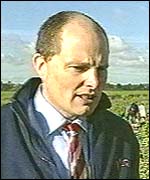
| | Thursday, 26 September, 2002, 16:43 GMT 17:43 UK Devotees drive organic sector  Organic and traditional farming ''are growing closer'' A small group of organic food devotees are accounting for a large proportion of UK sales, according to a survey released on Thursday. The Mintel survey, commissioned by supermarket chain Sainsbury's, said only 5% of customers surveyed bought six or more organic products a week but that this accounted for 38% of purchases. The survey analysed the spending habits of 125,000 Sainsbury's organic customers. The organic food market has developed from retail sales of �3m in 1976 to �1bn today, although some consumer analysts say that in recent years sales have slowed. Bridging the gap The big question remains whether consumers are still prepared to pay a premium for organically-produced food, said the BBC's consumer affairs correspondent, Nicola Carslaw.
Sainsbury's - which hosted a conference on Thursday on the future of organic food - argues that the gap is closing between organic and traditional farming methods. Its spokesman Ian Merton said: "The success of organic food has had a significant impact on the non-organic sector. "With food safety and integrity at the forefront of customers' minds, conventional farmers have looked for ways to learn from these successes and adopt different agricultural practices." For many farmers, organic farming is so different from traditional farming that the gap can never be bridged between the two. Organic farmer Andrew Burgess, from Cambridgeshire said: "With organic food, you are buying into a lifestyle, a whole ethos."
But his brother Jason, a conventional farmer, said he had learned from organic techniques and agreed that advances in research and development meant the two methods were growing closer together. A National Farmers Union survey in July backed up analysts who are claiming a slowdown in sales. Its survey of a ''representative sample'' of 2,000 members showed the number of organic farmers making a loss had increased from 19% in 1997 to over 30% in 2002. It said the number of organic farmers making a profit of over �10,000 a year fell from 56% to 38% over the same period. Meeting needs The Mintel research showed the largest group of organic shoppers were the 74% who bought one such product or less a week. These were followed by 21% of shoppers who purchased between two and five organic items. Deirdre Hutton, chairman of the National Consumer Council, who was at the conference on Thursday, said: "The success of the industry depends on its ability to meet the needs of consumers by producing safe, wholesome, accurately-labelled food at a fair price." | | See also:  04 Jan 02 | UK 04 Jan 02 | Scotland 19 Nov 01 | Business 01 Nov 01 | Business 18 Apr 01 | Science/Nature 26 Mar 01 | UK 24 Jan 01 | Politics 21 Dec 01 | UK Internet links: The BBC is not responsible for the content of external internet sites Top Business stories now: Links to more Business stories are at the foot of the page. | |||||||||||||||||||||||||||||||||||||||||||||||||||||||||||||||||||||||||||||||||||||||||||||||||||||||||||||||||||||||||||||||||||||||||||||
| |
|  E-mail this story to a friend E-mail this story to a friend |
| |
| Links to more Business stories |
| | | ||
 | ||||
 | | Back to top
| ||
| ---------------------------------------------------------------------------------- To BBC Sport>> | To BBC Weather>> | To BBC World Service>> ---------------------------------------------------------------------------------- © MMIII | News Sources | Privacy |