
|
 |
 | | | | | | ||||||||||||||||||||||||||||||||||||||||||||||||||||||||||||||||||||||||||||||||||||||||||||||||||||||||||||||||||||||||||||||||||||||||||||||||||||||||||||||||||||||||||||
| | | You are in: Business | ||||||||||||||||||||||||||||||||||||||||||||||||||||||||||||||||||||||||||||||||||||||||||||||||||||||||||||||||||||||||||||||||||||||||||||||||||||||||||||||||||||||||||||||
|
| | Tuesday, 24 September, 2002, 16:17 GMT 17:17 UK Reviving Kenya's cotton industry 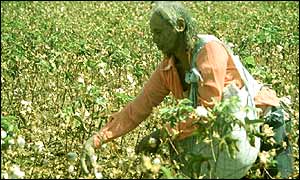 Cotton was a major foreign exchange earner for Kenya The American government has offered assistance to Kenya's once-thriving cotton industry. The United States Trade and Development Agency said it would provide aid worth more than $300m, as well as advice from American cotton industry experts. Ten years ago cotton was a major foreign exchange earner for Kenya, providing jobs for thousands of people either growing the commodity or working in textile factories. But farmers suffered as world cotton prices fell to their lowest for years and the country's garment manufacturers started buying cotton from other nations. Industry collapse Justin McMullan, campaign policy officer with Christian Aid, told the BBC's World Business Report the management of the marketing board and the way prices were set for Kenyan cotton contributed towards the industry's demise.
And the World Bank and IMF put pressure on the Kenyan government to end subsidies paid to the industry. At the same time the US continued to subsidise its own cotton farmers. "The Americans actually subsidise their cotton growers to the tune of $2bn a year and the World Bank estimates that if those subsidies were removed the world price for cotton would rise by 25%," Mr McMullan said. "Unless the world price changes and it becomes feasible to develop the Kenyan cotton industry then no ones really going to be interested in putting that investment in." Big changes ahead There are set to be big changes in the cotton farming industry in 2005 as an agreement brokered by the World Trade Organisation comes into force. The agreement will end the system of quotas that governs cotton imports to many rich countries such as the US. But Justin McMullan said this may not benefit Kenya. "The great danger is that China, with a huge workforce, will become an even bigger player in the textile industry, and squeeze out certainly the less developed African producers, but also start to threaten the Asian producers in Bangladesh and India as well." | |
See also:  30 Jul 02 | Business 12 Apr 02 | Business 12 Apr 02 | Business 12 Feb 02 | Business 10 Jan 02 | Business 01 Jun 01 | Business Top Business stories now: Links to more Business stories are at the foot of the page. | ||||||||||||||||||||||||||||||||||||||||||||||||||||||||||||||||||||||||||||||||||||||||||||||||||||||||||||||||||||||||||||||||||||||||||||||||||||||||||||||||||||||||||||
| |
|  E-mail this story to a friend E-mail this story to a friend |
| |
| Links to more Business stories |
| | | ||
 | ||||
 | | Back to top
| ||
| ---------------------------------------------------------------------------------- To BBC Sport>> | To BBC Weather>> | To BBC World Service>> ---------------------------------------------------------------------------------- © MMIII | News Sources | Privacy |






