
|
 |
 | | | | | | |||||||||||||||||||||||||||||||||||||||||||||||||||||||||||||||||||||||||||||||||||||||||||||||||||||||||||||||||||||||||||||||||||||||||||||||||||||||||||||||||||||||||||||||||||||||||||||||||||||||||||||||
| | | You are in: Business | |||||||||||||||||||||||||||||||||||||||||||||||||||||||||||||||||||||||||||||||||||||||||||||||||||||||||||||||||||||||||||||||||||||||||||||||||||||||||||||||||||||||||||||||||||||||||||||||||||||||||||||||||
|
| | Thursday, 3 October, 2002, 07:26 GMT 08:26 UK Mixing wine with medicine 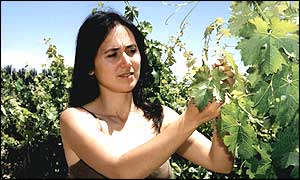 Catena: "The plant has to suffer to give a good wine"
 Argentina has become a byword for economic misery - it has been in recession for four years.
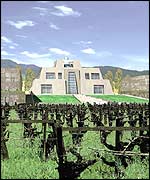
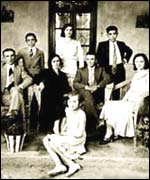
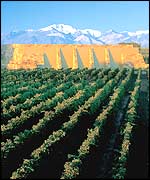
"But in fact we have never been more enthusiastic. The company must do well, we must drag the country out of this crisis." Unlike so many businesses crippled by Argentina's economic crisis, Ms Catena's family firm is prospering. The vineyard's exports to the US are growing by about 30% a year, and its new world wines are garnering international prizes. "It's invigorating, it's almost a patriotic feeling. We have such great expectations," she says. Centenary The Catena Zapata winery was founded in Argentina's Mendoza region 100 years ago by an Italian immigrant - Ms Catena's greatgrandfather. The poor desert soil, the high altitude and low rainfall provided an unlikely haven for the young vines.
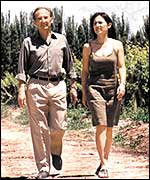
"The plant has to suffer to give a good wine," says Ms Catena. "Smaller berries give a more intense flavour." Ms Catena's father, Nicolas, now runs the $40m (�26m) business, with three vineyards and a long list of brands, including Argento. Based in San Francisco with her husband and two young children, Ms Catena is vice president of the company. Her pivotal role in the business, however, has only developed over the past five years. Before that, she worked full-time as an emergency medical physician. Wine and medicine The 35-year-old now works two days a week as a doctor and spends the rest of time on the business.
"Both professions have helped me, one with the other," she says. "I'm a big customer service person, and that has come from medicine." Admitting she had to overcome her own student-bred prejudice toward working in business, she still has the zeal of a new convert. "In college, you always thought that people who did business wanted to make money. "I was drawn to medicine because I wanted to work with people, but I am feeding a lot more mouths selling wine." Don't cry for me Argentina Argentina's economy collapsed late last year, forcing the government in January to remove a peg tying the local currency to the US dollar. The peso spiralled down, pushing up the cost of imported food and goods by about 70%.
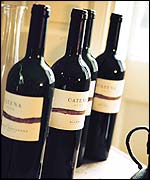
But for exporters, like Catena Zapata, it was a boon. Suddenly Argentine products were priced much more competitively on the international markets - and the dollars came rolling in. "We have more money to spend on the vineyards and salaries cost less," says Ms Catena. The buoyancy of Catena Zapata's exports have also compensated for a drop-off in the domestic business. Sleeping giant? Argentina is the fifth largest producer of wine worldwide. But most of the wine is drunk domestically and exports - $128m (�82.2m) last year - do not match those of other regional producers, such as Chile. In the past decade, however, Argentina has started to switch from producing large amounts of table wine to smaller quantities of higher-quality brands for export.
Ms Catena's father was at the forefront of this movement and spent 10 years developing his vineyards to make the step-up in quality. "Many people told him he was crazy," she says. "But he knew the survival of the company depended on exports." More recently Mendoza has caught the attention of foreign wine producers, with companies such as Spain's Freixenet buying up local wineries. Father-love Ms Catena is insistent, however, that the family-run Catena Zapata will not sell out. The family feeling runs strong - her regard for her father rivals even her passion for making wine.
"He has a bias for women, which is very unusual in Argentina. "He believes women work harder and are more creative - I think he even trusts women more." Notably, Argentina's first master of wine, Marina Gayan, who now works for Hardy Europe, used to be in charge of exports at Catena Zapata. But women and wine don't always mix so well. "One problem with the wine industry is being pregnant - you can't drink. I had to do a lot of spitting," Ms Catena says wryly. Following the birth of her second child, she was able to drink wine again "guilt-free". But how long will it be before her fellow Argentines can raise their glasses to new beginnings? Ms Catena says she has faith in the government's ability to put the economy back on track. "I'm an optimistic person. They really have to do the right thing." Only, she doesn't sound so sure. | |
See also:  13 Sep 02 | Americas 06 Sep 02 | Business 14 Aug 02 | Business 05 Aug 02 | Business 09 May 02 | Business 23 Apr 02 | Business 10 Feb 02 | Business 08 Jan 02 | Business 28 Sep 01 | Business 19 Jul 02 | Country profiles Internet links: The BBC is not responsible for the content of external internet sites Top Business stories now: Links to more Business stories are at the foot of the page. | |||||||||||||||||||||||||||||||||||||||||||||||||||||||||||||||||||||||||||||||||||||||||||||||||||||||||||||||||||||||||||||||||||||||||||||||||||||||||||||||||||||||||||||||||||||||||||||||||||||||||||||||
| |
|  E-mail this story to a friend E-mail this story to a friend |
| |
| Links to more Business stories |
| | | ||
 | ||||
 | | Back to top
| ||
| ---------------------------------------------------------------------------------- To BBC Sport>> | To BBC Weather>> | To BBC World Service>> ---------------------------------------------------------------------------------- © MMIII | News Sources | Privacy |









 FORUM
FORUM Women underpaid?


