|
 |
 | | | | | | |||||||||||||||||||||||||||||||||||||||||||||||||||||||||||||||||||||||||||||||||||||||||||||||||||||||||||||||||||||||||||||||||||||||||||||||||||||||
| | | You are in: Business | |||||||||||||||||||||||||||||||||||||||||||||||||||||||||||||||||||||||||||||||||||||||||||||||||||||||||||||||||||||||||||||||||||||||||||||||||||||||||
|
| | Friday, 6 September, 2002, 19:01 GMT 20:01 UK Backlog in hunt for criminal money 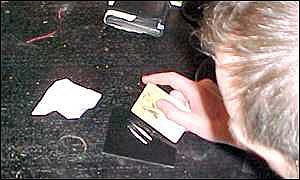 Drug traffickers disguise their illegally earned cash
New laws have given police in the UK more powers to track down cash being hidden by terrorists, criminals, and drug traffickers.
At the forefront of the police drive against money laundering is the National Crime Squad. It is based in a nondescript building above a London underground station. There is no nameplate by the door and security is strictly observed. The mood at its offices is upbeat. The Proceeds of Crime Act has given the police powers to freeze assets of suspects before an inquiry is complete. This will be backed by an Assets Recovery agency and more cash has come from Whitehall. Poor quality information Detective Chief Inspector Terry Burke, the head of financial investigation policy said: "The legislation has been changed to help us. "There is political awareness now and they're following that through with some action."
Since 11 September there has been a surge in reports from banks and other institutions of suspicious transactions by clients. So much so that there is now a backlog. The job of investigating these reports falls to the National Criminal Intelligence Service (NCIS). But John McNally of NCIS said the quality of information was sometimes lacking. "One of our main concerns is making sure that the information they disclose is concise, it makes sense and that we can actually deal with the intelligence properly," he said. Organised gangsters A conference on tackling fraud and money laundering was hosted by the Institute of Chartered Accountants this week. The consensus was that the only the surface had been scratched. Gerry Archer, vice chairman of the influential Fraud Advisory Panel, an independent group with membership covering the City, police and law firms, said the government must do more. "They managed to collect more than �70m ($109m) of fraudulent monies in the two months after 11 September. "But at the end of the day there needs to be more resource on the ground, more resource for the police. We are now dealing with organised groups of gangsters. Fraud is no longer committed by people working in companies. "This is big business - its major groups of terrorists," he said. 'No complacency' The plea for more resources was echoed by the head of the City of London Police Fraud Squad, Detective Superintendent Ken Farrow. He said there was a potentially serious shortage of investigators. "There are only so many people with these skills and we are all competing for the same people. "Unfortunately because the priority is low within the police service, we are not able to recruit sufficient younger officers coming in to our field of endeavour," he said. A Treasury spokesman said there was no complacency in Government, and added that UK regulation was among the best in the world. But dirty money, be it crime or terrorist related, has no respect for national boundaries. Nick Kochan, who is writing a book on money laundering, said it would become increasingly difficult to police. "It's a case really of keeping a lid on a boiling kettle," he said. I think most authorities would agree that money laundering is mushrooming, and probably mushrooming out of control," | | See also:  03 Sep 02 | Business 02 Sep 02 | Business 04 Sep 02 | Business Top Business stories now: Links to more Business stories are at the foot of the page. | |||||||||||||||||||||||||||||||||||||||||||||||||||||||||||||||||||||||||||||||||||||||||||||||||||||||||||||||||||||||||||||||||||||||||||||||||||||||
| |
|  E-mail this story to a friend E-mail this story to a friend |
| |
| Links to more Business stories |
| | | ||
 | ||||
 | | Back to top
| ||
| ---------------------------------------------------------------------------------- To BBC Sport>> | To BBC Weather>> | To BBC World Service>> ---------------------------------------------------------------------------------- © MMIII | News Sources | Privacy |