|
 |
 | | | | | | ||||||||||||||||||||||||||||||||||||||||||||||||||||||||||||||||||||||||||||||||||||||||||||||||||||||||||||||||||||||||||||||||||||||||||||||||||||||||||||||||||||||||||||||||||||||||||||||||||||||||||||||
| | | You are in: Business | ||||||||||||||||||||||||||||||||||||||||||||||||||||||||||||||||||||||||||||||||||||||||||||||||||||||||||||||||||||||||||||||||||||||||||||||||||||||||||||||||||||||||||||||||||||||||||||||||||||||||||||||||
|
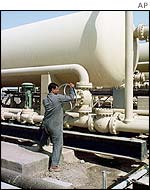
| | Friday, 6 September, 2002, 07:16 GMT 08:16 UK Iraq's stunted economic potential  Oil exports are Iraq's biggest asset
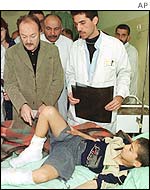
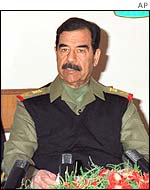
 But, in pursuit of illusory conquests, the country's leaders have squandered its resources on the vagaries of war. Much of the blame can be laid at the door of Iraqi President Saddam Hussein, who has once again incited America's wrath. But the imposition of United Nations sanctions throughout the 1990s also straitjacketed the country's economic development. The victims in this drama have been the long-suffering Iraqi people, many of whom live hand-to-mouth, surviving on food rations from the UN oil-for-food programme. "The country has effectively been at war for 22 years," says Neil Partrick of the Economist Intelligence Unit (EIU). Suffering In a population of 23 million, many are desperately poor and at least half of the adult males are unemployed.
"When I visited the country in 1993, there was no oil-for-food programme and Iraq was really on its knees. "People would literally fall down in the street through weakness and hunger." For a country that still has a middle class and was once relatively prosperous, salaries are laughably low. Hotel workers earn about $7 a month, while doctors make $20 and university professors earn $30. Only people involved in the black market manage to live "ostentatiously", while families with relatives outside the country live on precious hand-outs, says Mr Galloway. Minnow with giant potential? The main prop for the economy has been the country's significant oil reserves, which if exploited properly could rival Saudi Arabia.
Following the war, oil facilities were damaged, contributing to $100bn in economic losses for Iraq, according to the British Foreign Office. The Gulf War in 1991 and harsh economic sanctions also battered the economy - crude estimates from the EIU calculate that the economy contracted by 50% that year. Since then, the UN has slowly eased its restrictions on Iraq, but the country has still struggled to return to form. Its oil production has not exceeded 2.5 million barrels a day since 1991, even though Iraq has the potential reserves to produce six million a day, says Mr Partrick. Held up The reasons for Iraq's stunted growth range from dips in the oil price to President Saddam's fondness for turning off the country's oil taps to show his displeasure of Western 'meddling'.
This is partly because the government has opted to spend much of its money on defence - possibly building up an arsenal of chemical weapons - and maintaining its power base. However, the UN regime has also made it difficult for the Iraqis to import spare parts for upgrading facilities. Requests for new equipment have frequently been held up by UN sanction committees because of concerns they might be put to military use. Lack of investment Oil experts have visited Iraq to examine ways of boosting the industry, but since 11 September the US and the UK have put a stop to any foreign investment.
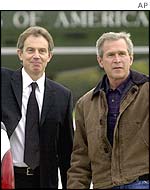
Jordan, for example, is dependent on Iraq for its entire domestic oil needs, says Carlin Doyle of Oxford Economic Forecasting. Even Nato member Turkey has bemoaned Iraq's economic isolation - it says it has lost about $40bn because of trade restrictions since the Gulf War. War impact Any military attack by the US and the UK would inevitably disrupt Iraq's oil exports. Strikes would also damage infrastructure and lead to civilian casualties, both of which would feed through into a worsening of the economic situation.
"Oil exports fluctuate anyway, so the impact would not be huge in that context," says Mr Partrick, who believes any war would be short-lived. He adds that a possible change in regime as a result of war could also lead to economic reforms. This view is backed by Ian Bremmer, president of the research firm, Eurasia Group, who argues that it has not been in President Saddam's interests to open up the economy completely. "[His] power base would become vulnerable in the event of a rapid re-opening of international trade links and unrestricted flows of labour and investment," he says. So, perversely, yet another war could deal Iraq a few good cards. But as the US and the UK ponder their options, the horror of previous conflicts will be only too vivid in the minds of ordinary Iraqis. | |
See also:  06 Sep 02 | Middle East 05 Sep 02 | Americas 04 Sep 02 | Middle East 03 Sep 02 | Middle East 02 Sep 02 | Middle East 17 Aug 02 | Middle East 02 Aug 02 | Country profiles 15 May 02 | Middle East 07 May 02 | Americas 30 Mar 02 | Europe 09 Jan 02 | Middle East 23 May 01 | Middle East 12 Apr 98 | ROAD TO THE BRINK Internet links: The BBC is not responsible for the content of external internet sites Top Business stories now: Links to more Business stories are at the foot of the page. | ||||||||||||||||||||||||||||||||||||||||||||||||||||||||||||||||||||||||||||||||||||||||||||||||||||||||||||||||||||||||||||||||||||||||||||||||||||||||||||||||||||||||||||||||||||||||||||||||||||||||||||||
 | |
|  E-mail this story to a friend E-mail this story to a friend |
| |
| Links to more Business stories |
| | | ||
 | ||||
 | | Back to top
| ||
| ---------------------------------------------------------------------------------- To BBC Sport>> | To BBC Weather>> | To BBC World Service>> ---------------------------------------------------------------------------------- © MMIII | News Sources | Privacy |