
|
 |
 | | | | | | ||||||||||||||||||||||||||||||||||||||||||||||||||||||||||||||||||||||||||||||||||||||||||||||||||||||||||||||||||||||||||||||||||||||||||||||||||||||||||||||||||||||||||
| | | You are in: Business | ||||||||||||||||||||||||||||||||||||||||||||||||||||||||||||||||||||||||||||||||||||||||||||||||||||||||||||||||||||||||||||||||||||||||||||||||||||||||||||||||||||||||||||
|
| | Thursday, 29 August, 2002, 12:08 GMT 13:08 UK UK firms hit by US fraud law 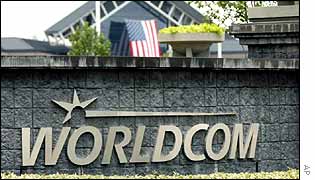 US lawmakers are trying to prevent more WorldCom scandals UK companies who list their shares in the US are facing up to having to comply with a new law aimed at cracking down on corporate fraud. Chief executives and finance directors of foreign firms whose shares are listed in the US will now have to vouch personally for the accuracy of their company's accounts. Those found guilty of filing misleading accounts face jail sentences of 20 years and multi-million pound fines. But some UK business chiefs have questioned whether the law will be effective, and said it will place unnecessary burdens on companies. Unhappy The measures stem from the Sarbanes-Oxley Act, which was rushed through Congress in the wake of the Enron and WorldCom corporate scandals. On Tuesday the US Securities and Exchange Commission (SEC) voted unanimously to approve the rules introduced by the Act. But the UK's Confederation of Business Industry (CBI) says it is still seeking clarification from the SEC as to whether UK firms will also have to comply. If it does, it will affect many of the UK's biggest firms - such as Vodafone, BP and GlaxoSmithKline - who have American Depository Receipts (ADRs) listed in New York. The CBI has said that many firms are unhappy about the measures but will not admit it. The CBI has also said the measures might make it harder for companies to recruit non-executive directors willing to take on the greater risk. Extra work The chairman of the Policy and Resources Committee at the Corporation of London, Dame Judith Mayhew, told the BBC that UK law had already undergone several reforms, and the US regulations only threatened to add extra cost burdens. "We think it's very unfortunate to have knee-jerk reactions and instant legislation following one or two big corporate scandals," she said. "What we would hope is that there is more negotiation between the US authorities and the regulators here.... so that additional administrative burdens aren't placed on companies." Will it work? Other UK businessmen have cast doubt on how effective the law will be. "I don't actually think it will work terribly well," John Thurso, deputy chairman of hotel group Millennium & Copthorn, told the BBC. "I don't think it'll have a great deal of effect because, at the end of the day, any company director who is worth their salt is doing their best to provide a decent set of accounts anyway, and the likelihood is it is only going to trap people by accident." Mr Thurso also questioned the focus of the law. "I think it attacks the wrong people," he said. "The real culprits I think in Enron and WorldCom are the auditors. "We need to have auditors who are responsible to shareholders rather than the companies which they've got too close to in recent years." | |
See also:  15 Aug 02 | Business 31 Jul 02 | Business 26 Jul 02 | Business 20 Jul 02 | Business Internet links: The BBC is not responsible for the content of external internet sites Top Business stories now: Links to more Business stories are at the foot of the page. | ||||||||||||||||||||||||||||||||||||||||||||||||||||||||||||||||||||||||||||||||||||||||||||||||||||||||||||||||||||||||||||||||||||||||||||||||||||||||||||||||||||||||||
| |
|  E-mail this story to a friend E-mail this story to a friend |
| |
| Links to more Business stories |
| | | ||
 | ||||
 | | Back to top
| ||
| ---------------------------------------------------------------------------------- To BBC Sport>> | To BBC Weather>> | To BBC World Service>> ---------------------------------------------------------------------------------- © MMIII | News Sources | Privacy |






