
|
 |
 | | | | | | ||||||||||||||||||||||||||||||||||||||||||||||||||||||||||||||||||||||||||||||||||||||||||||||||||||||||||||||||||||||||||||||||||||||||||||||||||||||||||||||||||||||||||||
| | | You are in: Business | ||||||||||||||||||||||||||||||||||||||||||||||||||||||||||||||||||||||||||||||||||||||||||||||||||||||||||||||||||||||||||||||||||||||||||||||||||||||||||||||||||||||||||||||
|
| | Wednesday, 28 August, 2002, 14:08 GMT 15:08 UK Mozambique sugar farmers' plight 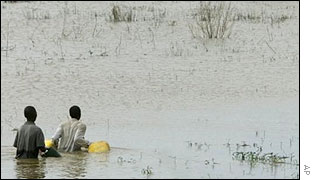 Floods devastated the Maragra Sugar plantation in 2000 Mozambique's Maragra sugar plantation is struggling to find a market for its sugar in Western countries. The heavy subsidies received by European competitors is making it difficult for them to compete, resulting in low wages for its employees and an uncertain future for the plantation. The impact that food and farming subsidies paid in rich countries have on the developing world is firmly on the agenda at the World Summit on Sustainable Development in Johannesburg.
Maragra's general manager, Tony Currie, finds that figure daunting. "When I hear those numbers it's actually frightening," he said. "To subsidise somebody to that extent, it seems to me that something is wrong." "You cannot fathom a subsidy coming out of some tax coffers somewhere to that extent. I would rather believe you get into a situation where you become a low-cost efficient producer." Earning a living The plantation employs 2,500 people. It was devastated by the floods two years ago, damage that was not all covered by insurance. The workers there earn very little for their labour but they would earn more if their sugar could be sold in the West, at Western prices. "The problem is being so poor even though we have jobs, what we need is foreign countries to buy our sugar so we can earn enough to support our families," one worker said. Another worker said there is food to buy but it is expensive. "The money I am earning is not sufficient to buy it," he said. "If I earn more I would build a good house for my family, my parents died and I am taking care of ten brothers and sisters." Another worker agreed, saying he can't afford to buy three meals a day. "All I do is cut, cut, cut. When I ask why my salary is so low they just say that the market for sugar is not good. They say no one wants to buy our sugar." Real commitment Back in Johannesburg the secretary general of the World Summit, Nitin Desai accepts the dichotomy created by the West's stated intent to aid poverty in the developing world, and its commitment to its own politically powerful farming lobbies. "That is precisely why we have these conferences, to bring these people together so that we can tell them that this is what we've agreed to, you've always said you were going to cut poverty, and lets ask ourselves how we are going to do it," Mr Desai said. "We've got these goals and now the time has come in Johannesburg to put some real commitment behind these actions," he added. | |
See also:  22 Aug 02 | Science/Nature 19 Jul 02 | Business 10 Jul 02 | Country profiles Internet links: The BBC is not responsible for the content of external internet sites Top Business stories now: Links to more Business stories are at the foot of the page. | ||||||||||||||||||||||||||||||||||||||||||||||||||||||||||||||||||||||||||||||||||||||||||||||||||||||||||||||||||||||||||||||||||||||||||||||||||||||||||||||||||||||||||||
| |
|  E-mail this story to a friend E-mail this story to a friend |
| |
| Links to more Business stories |
| | | ||
 | ||||
 | | Back to top
| ||
| ---------------------------------------------------------------------------------- To BBC Sport>> | To BBC Weather>> | To BBC World Service>> ---------------------------------------------------------------------------------- © MMIII | News Sources | Privacy |






