|
 |
 | | | | | | |||||||||||||||||||||||||||||||||||||||||||||||||||||||||||||||||||||||||||||||||||||||||||||||||||||||||||||||||||||||||||||||||||||||||||||||||||||||||||||||||||||||||||
| | | You are in: Business | |||||||||||||||||||||||||||||||||||||||||||||||||||||||||||||||||||||||||||||||||||||||||||||||||||||||||||||||||||||||||||||||||||||||||||||||||||||||||||||||||||||||||||||
|
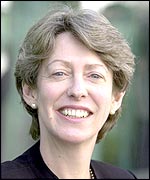
| | Thursday, 15 August, 2002, 08:58 GMT 09:58 UK Hewitt's crusade for women 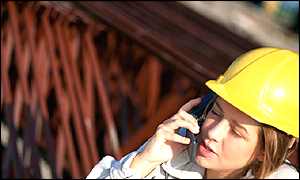 Hewitt admits that more must be done to help women

Married with a son and a daughter, the 53-year-old MP for Leicester West was appointed as economic secretary in 1998 before being promoted to trade minister a year later. And after Tony Blair's 2001 election triumph, she joined the Cabinet as trade and industry secretary and minister for women. What can you do to make it easier for all women to juggle their careers with family commitments? As Cabinet minister for women and as a working mother, I am committed to helping working parents juggle family and career. Right now we're pushing through legislation which will mean that from April 2003, parents with children aged under six and those with disabled children aged under 18, will be given the legal right to ask to work flexibly. Their employers will also have a duty to consider these requests seriously. At the same time, the government will be increasing and extending maternity leave and pay, and introducing new rights for fathers - including the first ever paid paternity leave - and for parents who adopt. What still needs to be done to give women equal status with men at work? Legally, women have equal status with men at work. The Sex Discrimination Act makes it unlawful for employers to treat someone differently on account of whether they are men or women.
The government has taken a number of steps to help women overcome barriers at work. For example, the Part-time Workers Directive for the first time gives part-time workers equal access to pension rights and training with full-time workers. The Work-Life Balance Campaign is opening up opportunities to work flexibly, allowing women and men to find ways to balance family life with better jobs. We are also supporting a range of initiatives to increase the number of women in the relatively highly paid sectors of science, engineering and technology, where women remain under-represented. What are you doing to help more women reach senior management positions? I am determined to do what I can to increase the representation of women at every level at work, and in public life.
I am also leading our campaign to increase the number of women in national public appointments from its current level of 34% to 50% by the year 2005. It is in all our interests to make it possible for women to pursue a fulfilling career within better-paid and higher-status jobs while at the same time balancing domestic responsibilities. Women make up half the workforce and in a modern, productive society, flexible-working arrangements should not be seen as a luxury, but an economic necessity. Can you see a day when equal pay for men and women is a reality? Equal pay is already a statutory requirement and has been since 1975 but clearly there is still some way to go before we have a level playing field.
We are encouraging companies to undertake voluntary pay audits and are 100% committed to getting our own house in order too. Why doesn't the government want to make it mandatory for companies to audit their pay systems? We believe that the best way to achieve lasting change is through working alongside the business community and encouraging a voluntary approach. We are already working with business, employers, trade unions and the Equal Opportunities Commission (EOC) to promote equal pay reviews. It is important for employers to undertake pay reviews carefully and sensitively, which confirms the benefits of the voluntary approach. What happens if a voluntary approach doesn't work? We are confident that our current approach has already reaped rewards and together with other government-sponsored initiatives will continue to do so.
What have you done to improve conditions for women in Parliament and the Civil Service? We want Parliament to reflect modern Britain where both men and women are breadwinners and active parents. The House of Commons Modernisation Committee is looking at a range of proposals for reform.
I also want to work towards modernising the Civil Service and help more talented women and under-represented ethnic minorities, win promotion to higher grades. We've made progress since 1998 and the number of female senior civil servants has risen from 18% to 25%. But there is still some way to go and we must keep the pressure on if we are to meet a target of 35% by 2005. Can you see a day when there will be equal numbers of male and female MPs? I believe that government, in order to be truly representative, needs to be inclusive of all parts of society and given that women make up half the population, increasing the number of women MPs is vital to democracy.
The Act allows political parties - if they so wish - to take positive action to increase the number of women elected to political office at every level - local, regional national and European. I'm very pleased that in my own party, the National Executive Committee recently voted in favour of positive action. This means that in half of the most winnable seats in those regions where less than 35% of MPs are women, there will be all-women shortlists. How can more women be encouraged to stand for election to Parliament? Alongside increasing the number of women candidates seeking selection in winnable seats, it is essential to do what we can to create a positive political climate that attracts women. Right now too many women look at Parliament and see a male-dominated, rather archaic environment, which has no connection to their daily lives. That's why this government has put energy and resources into changing the way we do politics in Parliament. What barriers did you face in your own career, both outside and inside Parliament? I've been extremely lucky in being able to find opportunities throughout my working life. The most difficult step was finding my first job after I left university, when I faced unemployment for the first time (the second was after losing the 1983 election). How do you think you have got to where you are today? Luck, persistence, hard work and always knowing that I wanted to make a difference through my work as well as my politics. Did you make any sacrifices along the way? The most difficult thing has been trying to balance work and family life - and often failing. I've rarely made enough time for my husband and I still wish that I'd succeeded in working part-time when our children were little. | |
See also:  15 Aug 02 | Business 08 Mar 02 | Business 13 Aug 01 | Business 20 Dec 01 | Business 02 May 02 | Business 17 Oct 01 | Politics 06 May 01 | Politics Internet links: The BBC is not responsible for the content of external internet sites Top Business stories now: Links to more Business stories are at the foot of the page. | |||||||||||||||||||||||||||||||||||||||||||||||||||||||||||||||||||||||||||||||||||||||||||||||||||||||||||||||||||||||||||||||||||||||||||||||||||||||||||||||||||||||||||
| |
|  E-mail this story to a friend E-mail this story to a friend |
| |
| Links to more Business stories |
| | | ||
 | ||||
 | | Back to top
| ||
| ---------------------------------------------------------------------------------- To BBC Sport>> | To BBC Weather>> | To BBC World Service>> ---------------------------------------------------------------------------------- © MMIII | News Sources | Privacy |