
|
 |
 | | | | | | ||||||||||||||||||||||||||||||||||||||||||||||||||||||||||||||||||||||||||||||||||||||||||||||||||||||||||||||||||||||||||||||||||||||||||||||||||||||||||||||||||||||||||||||
| | | You are in: Business | ||||||||||||||||||||||||||||||||||||||||||||||||||||||||||||||||||||||||||||||||||||||||||||||||||||||||||||||||||||||||||||||||||||||||||||||||||||||||||||||||||||||||||||||||
|
| | Tuesday, 6 August, 2002, 14:03 GMT 15:03 UK Opec quota busting hits new peaks 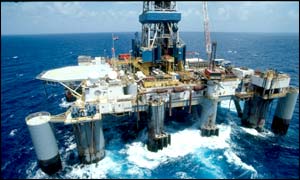 High oil prices spell temptation for poor producers Oil cartel Opec's stranglehold on world energy looks set to weaken, according to figures which show members ignoring their quotas to take advantage of high prices. A survey by consultancy Petrologistics, which counts tankers leaving Opec ports, shows that compliance with quotas has dropped to 63% compared with more than 70% early in the year.
But Saudi Arabia, the world's biggest crude oil exporter by far, is also pumping well above its allowance amid internal political pressures and money trouble. The risk of a US-led assault on Iraq is also increasing demand, as countries stock up in case oil prices spike. Price controls Opec - the Organisation of Petroleum Exporting Countries - has a declared policy of cutting or boosting production so as to keep the price of oil at around $25 a barrel. Monday's closing price for Opec crude was $24.77 and, apart from the slump in prices to below $20 following the 11 September attacks, has remained close to that level for months. Oil experts say the main reason for the widespread quota-busting is that, with prices stubbornly high, producers want to take advantage of the market. "The price is right where Opec wants it," Clay Smith, oil analyst at Commerzbank in London, told BBC News Online. "[Opec members] don't see a risk to the price in doing what they're doing at the moment." A Reuters survey showed that the 10 Opec members which were meant to be restricting output pumped 23.56 million barrels of crude in June, 9% more than they were meant to. Broken budgets Internal financial problems have also tempted Opec states to break quotas, Mr Smith said.
Nigeria and Algeria are nursing huge budget problems. Both countries have been pushing for Opec to agree to higher quotas, and are prepared to ignore them in the meantime, Mr Smith said. In Saudi Arabia, rising unemployment, coupled with badly dented public finances, has led to unrest fuelled by Islamic extremism and - recent visitors report - an increasingly overt security presence on the street. Pumping more oil could offer some financial respite, they said. But with non-Opec producers such as Russia keen to boost exports, the longer the quota-busting lasts, the more tenuous Opec's control over the oil market becomes. It could take a shock to the market, bringing prices down well below $20 a barrel, to bring members back in line. | |
See also:  02 Aug 02 | Business 01 Aug 02 | Africa 01 Aug 02 | Business 31 Jul 02 | Business 26 Jun 02 | Business 12 Mar 02 | Business 08 Mar 02 | Business 07 Mar 02 | Business Top Business stories now: Links to more Business stories are at the foot of the page. | ||||||||||||||||||||||||||||||||||||||||||||||||||||||||||||||||||||||||||||||||||||||||||||||||||||||||||||||||||||||||||||||||||||||||||||||||||||||||||||||||||||||||||||||
| |
|  E-mail this story to a friend E-mail this story to a friend |
| |
| Links to more Business stories |
| | | ||
 | ||||
 | | Back to top
| ||
| ---------------------------------------------------------------------------------- To BBC Sport>> | To BBC Weather>> | To BBC World Service>> ---------------------------------------------------------------------------------- © MMIII | News Sources | Privacy |






