|
 |
 | | | | | | |||||||||||||||||||||||||||||||||||||||||||||||||||||||||||||||||||||||||||||||||||||||||||||||||||||||||||||||||||||||||||||||||||||||||||||||||||||||||||||||||||
| | | You are in: Business | |||||||||||||||||||||||||||||||||||||||||||||||||||||||||||||||||||||||||||||||||||||||||||||||||||||||||||||||||||||||||||||||||||||||||||||||||||||||||||||||||||||
|
| | Friday, 9 August, 2002, 11:21 GMT 12:21 UK Stage school's star in the ascendent 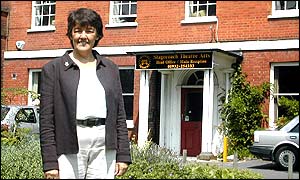 Stephanie Manuel came late to the business world
Between the worlds of the theatre and high finance yawns an enormous gulf - just ask any ruined impresario or penniless actor. But wherever unquenchable human ambition is at issue, there's money to be made. Stephanie Manuel, founder and chief executive of Stagecoach Theatre Arts, is one of those who have bridged the gulf. Late last year, her firm became the first stage-school group to list on the London Stock Exchange. Last week, in its first set of results since flotation, the company unveiled a 50% jump in turnover, 6% growth in profits, and an acceleration in its already breathless pace of expansion. The smell of the greasepaint... Stagecoach is that rarest of Stock Exchange beasts - a firm built on personal, almost amateurish, enthusiasm. Although a strong dose of greasepaint runs through her family - her ex-husband and son are both actors - Ms Manuel came late to the world of showbusiness. After dithering through a series of jobs, it was not until 1988, when she was in her forties, that she raised the money to open three drama schools. But she took to it like a natural, combining love of the theatre with the steelier stuff of commerce. "All my life I had nurtured a passion for the theatre - but also a passion to make things happen," she says. ... the roar of the crowd From the start, her schools stood out from the pack.
Stagecoach's ethos was to reject the sometimes stuffy theatrical style of straight acting tuition, instead aiming for something between a drama class and a dance lesson - somewhere for tired parents to dump their children on a Saturday morning. The other innovation was to focus on branding, never traditionally a strength of the sector. By the early 1990s, when they had a dozen schools, Ms Manuel and business partner David Sprigg realised they were spending their entire time on paperwork - largely coping with approaches from potential business partners. "We realised the time was right to think about franchising," she says. Selling out Franchising - the licensing out of a business idea to business partners, in return for a cut of the profits - tends to be strongest in fast food or retailing, businesses with a standardised product or a powerful identity. Perhaps because of the novelty value, Stagecoach franchises caught fire: between the mid-1990s and today, Stagecoach has opened 60-80 new schools a year, with roughly 20% annual pupil numbers growth to the current 22,300 nationwide. "When we first started, our advisers said we would have 200 schools by 2010," Ms Manuel says. The firm passed that level in 1999, and now has 380 theatre schools and 344 Early Steps classes for little ones. "It's hard enough for us to keep up with demand as it is," she says. "We wouldn't have the network we have now without franchising." Nor does franchising water down core earnings too much: of the �12.5m the group turned over last year, head office kept �3.5m, and the average franchisee clears only �12,000 annual profit per full school. Growing up But straightforward expansion without modification was never a long-term strategy.
Last year, it became clear that the firm needed a fresh injection of cash. Unwilling to bring in another big investor, Ms Manuel was persuaded to try the London Stock Exchange's Alternative Investment Market (AIM), a listing method for smaller firms with less of a track record. The timing could scarcely have been worse: 11 September came slap bang in the middle of due diligence, and Stagecoach became one of the only firms to brave the choppy market in November. In the end, the float raised �2.5m, well below the hoped-for �4m, but still masses for a firm with few assets beyond a youthful brand name. Foreign affairs Now, the company is at the crossroads. Stagecoach has earmarked its stock market money for a major shake-up of its international operations, currently a somewhat random selection of schools dotted around the US and the more Anglophile parts of Europe. Ms Manuel is on the verge of inking deals with master franchisees in the US - the key to expansion in that massive market - and is not far off the same in Germany. In the UK, meanwhile, although Ms Manuel reckons the drama schools are far from saturation point, she is planning to spread the concept a little thinner. The company recently signed the first franchise for Sportscoach, a concept that hopes to bring the breezy Stagecoach ethos into the tracksuited world of weekend sports. Keep on growing With all this breathless activity, and the firm's seemingly endless run of good luck, it is hard to see what can go wrong. The City does not seem mad with excitement. Stagecoach shares, irregularly traded like those of most listed on AIM, have flickered up and down since their launch. But the firm's underlying growth shows no signs of slowing, and it should comfortably open 80 more schools this year. While Ms Manuel admits that the current fad for showbiz talent shows hasn't hurt business, the firm's growth has been unflinching for years now. Direct competition, at least on a similar scale, is non-existent, and Ms Manuel argues that Stagecoach faces a greater challenge from the telly and the Playstation than from its business rivals. Policy and profits Indeed, there are only two remote clouds on the firm's horizon. The first is a change in government policy. Ms Manuel admits that the current preference for academic over physical education in the national curriculum leaves schools like hers with a massive gap in the market - a gap that could swing shut if educational fashions change. Secondly, franchising may be sacrificing future profits for the sake of rapid growth. Over the past few years, a number of big firms that grew fast through franchises have started kicking themselves that they did not secure a sufficient share of management control or profit. Scarcely a tragedy, however. In the current dismal business climate, the stress of growing too quickly is the sort of problem other chief executives would kill to have. | |
See also:  05 Nov 01 | Entertainment 26 Feb 01 | Europe 06 Feb 01 | Entertainment 29 Nov 00 | Entertainment Internet links: The BBC is not responsible for the content of external internet sites Top Business stories now: Links to more Business stories are at the foot of the page. | |||||||||||||||||||||||||||||||||||||||||||||||||||||||||||||||||||||||||||||||||||||||||||||||||||||||||||||||||||||||||||||||||||||||||||||||||||||||||||||||||||
| |
|  E-mail this story to a friend E-mail this story to a friend |
| |
| Links to more Business stories |
| | | ||
 | ||||
 | | Back to top
| ||
| ---------------------------------------------------------------------------------- To BBC Sport>> | To BBC Weather>> | To BBC World Service>> ---------------------------------------------------------------------------------- © MMIII | News Sources | Privacy |