
|
 |
 | | | | | | |||||||||||||||||||||||||||||||||||||||||||||||||||||||||||||||||||||||||||||||||||||||||||||||||||||||||||||||||||||||||||||||||||||||||||||||||
| | | You are in: Business | |||||||||||||||||||||||||||||||||||||||||||||||||||||||||||||||||||||||||||||||||||||||||||||||||||||||||||||||||||||||||||||||||||||||||||||||||||
|
| | Friday, 2 August, 2002, 05:57 GMT 06:57 UK Koizumi backs away from reform 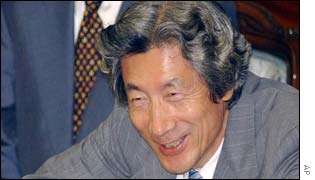 Could Koizumi be glad it's all over? Japan's parliament session has finished on a low note, with the prime minister admitting that the country's stubbornly moribund economy is forcing him to relax key reforms. Junichiro Koizumi told a press conference to mark the end of the 192-day Diet session that early tax cuts were on the agenda.
But at the same time he admitted that keeping a 30 trillion yen ($252bn; �161bn) cap on government borrowing - till now seen as essential - was going to be impossible. And he further stirred speculation that the government's commitment to ending full guarantees on bank deposits is being watered down. The end of the guarantee is seen as vital to bring Japan's financial sector - groaning under immense bad loans handed out during the boom years of the 1980s - in line with international standards. But the plan has met with widespread concern, not least from ruling party lawmakers worried about grassroots support and their own backers in the banking industry. Earlier this week Mr Koizumi ordered his financial services minister, Hakuo Yanagisawa, to look for ways of making sure smaller banks do not face a surge of savers moving their money to supposedly safer large city banks. "We have to take necessary measures to avoid creating unnecessary fear," he told reporters. Surprisingly, though, while the indications of weakening on the guarantees worried observers, some found the plan to remove the cap on borrowing to be a positive one. With domestic spending firmly in the doldrums, government spending could make the difference between sustaining a fragile recovery and returning to the decade-long downturn - as long as it is not simply spent on unproductive public works programmes. A succession of such programmes have kept the politically powerful construction industry alive, but have emptied the coffers and built the national debt to more than 600 trillion yen. "Today's remarks by Koizumi shuold be a positive message to the stock market," said Masatoshi Sato of Mizuho Investors Securities. "But market players are likely to take a cautious stance as we still do not know how big the tax cut will be, and how the government can pay for it while the national finances are in a serious condition." | |
See also:  30 Jul 02 | Business 30 Jul 02 | Asia-Pacific 29 Jul 02 | Business 29 Jul 02 | Business 24 Jul 02 | Business 20 Jun 02 | Business 31 May 02 | Business 22 May 02 | Business 29 Jul 02 | Business Internet links: The BBC is not responsible for the content of external internet sites Top Business stories now: Links to more Business stories are at the foot of the page. | |||||||||||||||||||||||||||||||||||||||||||||||||||||||||||||||||||||||||||||||||||||||||||||||||||||||||||||||||||||||||||||||||||||||||||||||||
| |
|  E-mail this story to a friend E-mail this story to a friend |
| |
| Links to more Business stories |
| | | ||
 | ||||
 | | Back to top
| ||
| ---------------------------------------------------------------------------------- To BBC Sport>> | To BBC Weather>> | To BBC World Service>> ---------------------------------------------------------------------------------- © MMIII | News Sources | Privacy |






